Buy eduarte.eu ?
We are moving the project
eduarte.eu .
Are you interested in purchasing the domain
eduarte.eu ?
domain@kv-gmbh.de · 0541-91531010
Buy eduarte.eu ?
Is cloning identity fraud?
Cloning is not the same as identity fraud. Cloning refers to the creation of a genetically identical copy of an organism, while identity fraud involves using someone else's personal information for fraudulent purposes. While cloning may raise ethical and moral concerns, it is not the same as the criminal act of identity fraud. However, the potential misuse of cloned genetic material could potentially lead to identity fraud if used to create false identities. **
What does cloning mean?
Cloning is the process of creating an identical copy of an organism or a specific gene or DNA sequence. This can be done through various techniques, such as somatic cell nuclear transfer or gene cloning. Cloning can be used for a variety of purposes, including scientific research, medical treatments, and agricultural practices. However, it also raises ethical and moral concerns, particularly when it comes to cloning humans. **
Similar search terms for Cloning
Top-Angebote
Products related to Cloning:
-
Perfect Picks Market Geometric Building Blocks Set For Kids Early Education Intelligence Development Toy Geometric Building Blocks Set For Kids Early Education Intelligence Development ToyUnlock your child's potential with this early education equipment designed to stimulate creativity and intelligence! This geometric set is the perfect building block toy for boys, helping to develop problemsolving skills while having fun. The...35,97 $*Shipping: 0,00 $Secure redirect to the provider
-
Learning Skills Workbook Ages 3-5 Value PackSupport your child's preschool readiness with these fun workbooks. Each workbook comes with four crayons and stickers.This set includes:Early Math Prep Learning Skills WorkbookEarly Science Prep: Learning Skills WorkbookMy First Color & Learn:...32,99 $*Shipping: 0,00 $Secure redirect to the provider
-
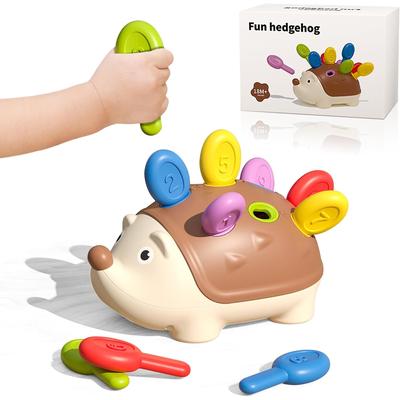
Tiny Tots Teens Trends Montessori Educational Toy, Hedgehog Fine Motor Skills, Toddler Counting, Sensory Development Montessori Educational Toy, Hedgehog Fine Motor Skills, Toddler Counting, Sensory DevelopmentHedgehog Montessori Educational Toy is a delightful and engaging learning tool designed to help toddlers develop essential fine motor skills, improve their concentration, and enhance sensory development. This toy promotes handson learning through...59,97 $*Shipping: 0,00 $Secure redirect to the provider
-
Playful Picks Montessori Hedgehog Color Sorting Educational Toddler Toy For Fine Motor Skills Development Montessori Hedgehog Color Sorting Educational Toddler Toy For Fine Motor Skills DevelopmentTurn early learning into a joyful daily adventure with a toy designed to spark curiosity and growth. The Montessori hedgehog toy is thoughtfully created for toddlers aged 13, helping them explore colors, counting, and coordination through handson...24,97 $*Shipping: 0,00 $Secure redirect to the provider



-
How is cloning applied?
Cloning is applied in various fields such as agriculture, medicine, and research. In agriculture, cloning is used to produce genetically identical plants or animals with desirable traits, such as disease resistance or high yield. In medicine, cloning is used to create stem cells for potential therapeutic purposes, or to produce animal models for studying diseases. In research, cloning is used to study genetic and developmental processes, as well as to preserve endangered species. Overall, cloning has a wide range of applications with potential benefits in different fields. **
-
How does cloning work?
Cloning is the process of creating a genetically identical copy of an organism. In the case of reproductive cloning, the nucleus of a donor cell is inserted into an egg cell that has had its nucleus removed. The egg cell is then stimulated to divide and develop into an embryo, which is then implanted into a surrogate mother. In the case of therapeutic cloning, the cloned embryo is used to harvest stem cells for medical research and potential treatment of diseases. The process of cloning has ethical and scientific implications and continues to be a topic of debate and research. **
-
What do you think about human cloning and the associated therapeutic cloning?
I believe that human cloning raises ethical concerns regarding individuality, identity, and the potential exploitation of cloned individuals. However, therapeutic cloning, which involves creating cloned embryos for medical research and potential treatments, holds promise for advancing regenerative medicine and treating various diseases. It is important to carefully consider the ethical implications and regulations surrounding these practices to ensure that they are used responsibly and ethically. **
-
What is therapeutic cloning and what is the difference to reproductive cloning?
Therapeutic cloning, also known as somatic cell nuclear transfer, is a process in which a cell from a patient is used to create an embryo that is genetically identical to the patient. The purpose of therapeutic cloning is to harvest stem cells from the embryo, which can then be used for medical treatments and research. Reproductive cloning, on the other hand, is the process of creating a genetically identical copy of an organism. This is typically done by transferring the nucleus of a donor cell into an egg cell that has had its nucleus removed, and then implanting the resulting embryo into a surrogate mother. The goal of reproductive cloning is to produce a living organism with the same genetic makeup as the donor. The main difference between therapeutic cloning and reproductive cloning is the intended outcome: therapeutic cloning is focused on producing stem cells for medical purposes, while reproductive cloning is focused on creating a living organism. **

Why is cloning morally questionable?
Cloning is morally questionable for several reasons. Firstly, it raises ethical concerns about the potential exploitation of cloned individuals and the potential for creating life solely for the purpose of benefiting others. Additionally, cloning raises questions about the uniqueness and individuality of each person, as well as the potential psychological and emotional impact on the cloned individual. Furthermore, there are concerns about the potential for unintended consequences and the long-term effects of cloning on the natural diversity of the human population. Overall, the moral implications of cloning raise significant ethical concerns that need to be carefully considered. **
Where is reproductive cloning applied?
Reproductive cloning is applied in the field of animal breeding and genetic research. It is used to create genetically identical animals for agricultural purposes, such as producing high-quality livestock or preserving endangered species. Reproductive cloning has also been used in scientific research to study the effects of genetic modifications and to develop new medical treatments. However, it is not currently used in human reproduction due to ethical and safety concerns. **
Top-Angebote
Products related to Cloning:
-
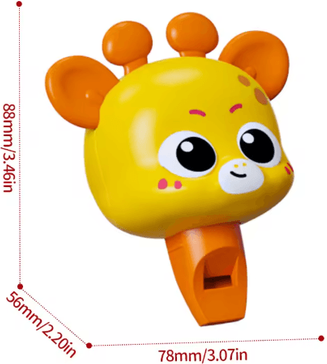
Inspire Picks Interactive Giraffe Suction Cup Toy Multifunctional Sensory Learning And Motor Skills Development Toy whistleEncourage handson learning and playful discovery with this interactive giraffe toy designed for growing minds. Featuring a strong suction cup base, it easily attaches to smooth surfaces for stable, engaging play at home or on the go. Made from safe,...34,93 $*Shipping: 0,00 $Secure redirect to the provider
-
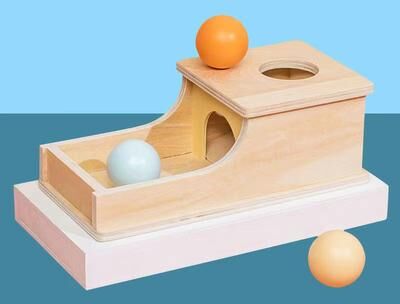
Tiny Tots Teens Trends Drawer Game Early Education Montessori Wooden Pitch Ball Box Preschool Learning Training Toy Drawer Game Early Education Montessori Wooden Pitch Ball Box Preschool Learning Training ToyThis Montessori Wooden Pitch Ball Box Drawer Game is a thoughtfully designed earlyeducation toy that transforms playtime into purposeful learning. Crafted for toddlers and preschoolers, it offers a handson, engaging way to support key developmental...39,97 $*Shipping: 0,00 $Secure redirect to the provider
-
Perfect Picks Market Geometric Building Blocks Set For Kids Early Education Intelligence Development Toy Geometric Building Blocks Set For Kids Early Education Intelligence Development ToyUnlock your child's potential with this early education equipment designed to stimulate creativity and intelligence! This geometric set is the perfect building block toy for boys, helping to develop problemsolving skills while having fun. The...35,97 $*Shipping: 0,00 $Secure redirect to the provider
-
Learning Skills Workbook Ages 3-5 Value PackSupport your child's preschool readiness with these fun workbooks. Each workbook comes with four crayons and stickers.This set includes:Early Math Prep Learning Skills WorkbookEarly Science Prep: Learning Skills WorkbookMy First Color & Learn:...32,99 $*Shipping: 0,00 $Secure redirect to the provider
-
Is cloning identity fraud?
Cloning is not the same as identity fraud. Cloning refers to the creation of a genetically identical copy of an organism, while identity fraud involves using someone else's personal information for fraudulent purposes. While cloning may raise ethical and moral concerns, it is not the same as the criminal act of identity fraud. However, the potential misuse of cloned genetic material could potentially lead to identity fraud if used to create false identities. **
-
What does cloning mean?
Cloning is the process of creating an identical copy of an organism or a specific gene or DNA sequence. This can be done through various techniques, such as somatic cell nuclear transfer or gene cloning. Cloning can be used for a variety of purposes, including scientific research, medical treatments, and agricultural practices. However, it also raises ethical and moral concerns, particularly when it comes to cloning humans. **
-
How is cloning applied?
Cloning is applied in various fields such as agriculture, medicine, and research. In agriculture, cloning is used to produce genetically identical plants or animals with desirable traits, such as disease resistance or high yield. In medicine, cloning is used to create stem cells for potential therapeutic purposes, or to produce animal models for studying diseases. In research, cloning is used to study genetic and developmental processes, as well as to preserve endangered species. Overall, cloning has a wide range of applications with potential benefits in different fields. **
-
How does cloning work?
Cloning is the process of creating a genetically identical copy of an organism. In the case of reproductive cloning, the nucleus of a donor cell is inserted into an egg cell that has had its nucleus removed. The egg cell is then stimulated to divide and develop into an embryo, which is then implanted into a surrogate mother. In the case of therapeutic cloning, the cloned embryo is used to harvest stem cells for medical research and potential treatment of diseases. The process of cloning has ethical and scientific implications and continues to be a topic of debate and research. **
Similar search terms for Cloning
-
Tiny Tots Teens Trends Montessori Educational Toy, Hedgehog Fine Motor Skills, Toddler Counting, Sensory Development Montessori Educational Toy, Hedgehog Fine Motor Skills, Toddler Counting, Sensory DevelopmentHedgehog Montessori Educational Toy is a delightful and engaging learning tool designed to help toddlers develop essential fine motor skills, improve their concentration, and enhance sensory development. This toy promotes handson learning through...59,97 $*Shipping: 0,00 $Secure redirect to the provider
-
Playful Picks Montessori Hedgehog Color Sorting Educational Toddler Toy For Fine Motor Skills Development Montessori Hedgehog Color Sorting Educational Toddler Toy For Fine Motor Skills DevelopmentTurn early learning into a joyful daily adventure with a toy designed to spark curiosity and growth. The Montessori hedgehog toy is thoughtfully created for toddlers aged 13, helping them explore colors, counting, and coordination through handson...24,97 $*Shipping: 0,00 $Secure redirect to the provider
-
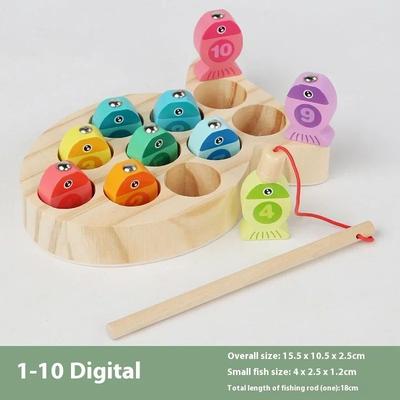
Inspire Select Wooden Montessori Fishing Toy Set Kids Number & Alphabet Learning Game For Early Education Training numbersMake learning fun and interactive with a playful educational experience. This Montessori fishing toy helps children develop essential skills while enjoying handson play. Designed for toddlers and young kids, this wooden learning toy combines...64,96 $*Shipping: 0,00 $Secure redirect to the provider
-
Inspire Picks Interactive Giraffe Suction Cup Toy Multifunctional Sensory Learning And Motor Skills Development Toy multi FuntionalEncourage handson learning and playful discovery with this interactive giraffe toy designed for growing minds. Featuring a strong suction cup base, it easily attaches to smooth surfaces for stable, engaging play at home or on the go. Made from safe,...34,93 $*Shipping: 0,00 $Secure redirect to the provider
-
What do you think about human cloning and the associated therapeutic cloning?
I believe that human cloning raises ethical concerns regarding individuality, identity, and the potential exploitation of cloned individuals. However, therapeutic cloning, which involves creating cloned embryos for medical research and potential treatments, holds promise for advancing regenerative medicine and treating various diseases. It is important to carefully consider the ethical implications and regulations surrounding these practices to ensure that they are used responsibly and ethically. **
-
What is therapeutic cloning and what is the difference to reproductive cloning?
Therapeutic cloning, also known as somatic cell nuclear transfer, is a process in which a cell from a patient is used to create an embryo that is genetically identical to the patient. The purpose of therapeutic cloning is to harvest stem cells from the embryo, which can then be used for medical treatments and research. Reproductive cloning, on the other hand, is the process of creating a genetically identical copy of an organism. This is typically done by transferring the nucleus of a donor cell into an egg cell that has had its nucleus removed, and then implanting the resulting embryo into a surrogate mother. The goal of reproductive cloning is to produce a living organism with the same genetic makeup as the donor. The main difference between therapeutic cloning and reproductive cloning is the intended outcome: therapeutic cloning is focused on producing stem cells for medical purposes, while reproductive cloning is focused on creating a living organism. **
-
Why is cloning morally questionable?
Cloning is morally questionable for several reasons. Firstly, it raises ethical concerns about the potential exploitation of cloned individuals and the potential for creating life solely for the purpose of benefiting others. Additionally, cloning raises questions about the uniqueness and individuality of each person, as well as the potential psychological and emotional impact on the cloned individual. Furthermore, there are concerns about the potential for unintended consequences and the long-term effects of cloning on the natural diversity of the human population. Overall, the moral implications of cloning raise significant ethical concerns that need to be carefully considered. **
-
Where is reproductive cloning applied?
Reproductive cloning is applied in the field of animal breeding and genetic research. It is used to create genetically identical animals for agricultural purposes, such as producing high-quality livestock or preserving endangered species. Reproductive cloning has also been used in scientific research to study the effects of genetic modifications and to develop new medical treatments. However, it is not currently used in human reproduction due to ethical and safety concerns. **
* All prices are inclusive of VAT and, if applicable, plus shipping costs. The offer information is based on the details provided by the respective shop and is updated through automated processes. Real-time updates do not occur, so deviations can occur in individual cases. ** Note: Parts of this content were created by AI.