Buy eduarte.eu ?
We are moving the project
eduarte.eu .
Are you interested in purchasing the domain
eduarte.eu ?
domain@kv-gmbh.de · 0541-91531010
Buy eduarte.eu ?
What are easy natural science courses?
Easy natural science courses typically include introductory level classes such as biology, environmental science, and geology. These courses often cover basic concepts and do not require extensive background knowledge in the subject. Additionally, some universities offer interdisciplinary courses that combine natural science with other fields, such as science and society or science and the environment, which can be more accessible to students with varying interests and backgrounds. Overall, easy natural science courses are designed to provide a foundational understanding of scientific principles without being overly challenging. **
Could science fiction technology become real?
Yes, science fiction technology could become real in the future. Many of the technological advancements that were once considered science fiction, such as video calling, self-driving cars, and virtual reality, have already become a reality. With continued advancements in science and technology, it is possible that other futuristic technologies, such as teleportation or advanced artificial intelligence, could also become a reality in the future. While some science fiction technologies may still be far-fetched, it is important to remember that many of today's realities were once considered impossible in the past. **
Similar search terms for Science
Top-Angebote
Products related to Science:
-
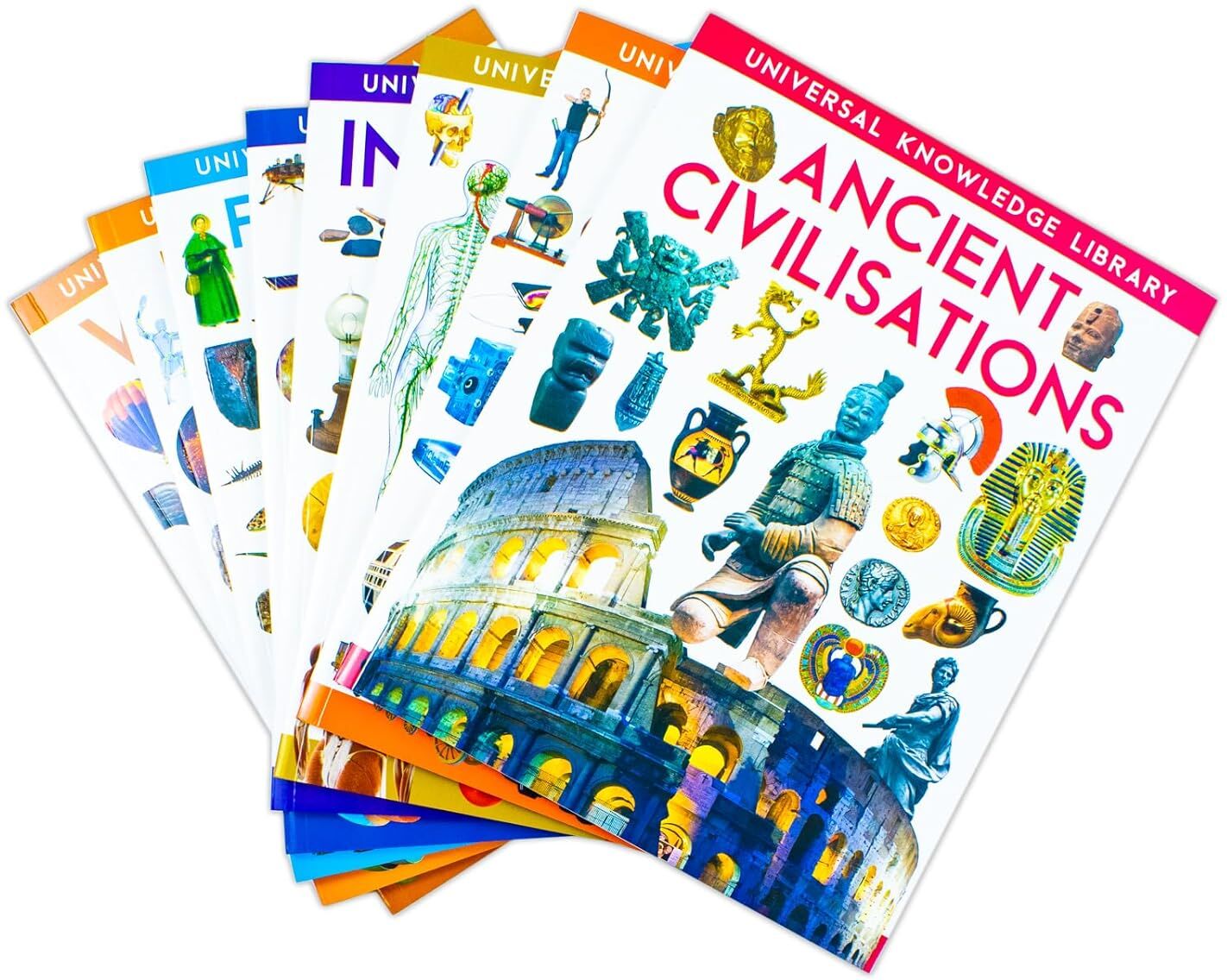
Fox Eye Publishing Universal Knowledge Library Science and History 8 Volume Book Collection Set – Ancient Civilisations, Human Body, Universe & Educational Learning BookUniversal Knowledge Library: Science and History - 8 Volumes Introduction: Welcome to the Universal Knowledge Library, a magical collection that opens the door to the wonders of science and history. These eight beautifully illustrated books will take you on exciting adventures, where you'll explore ancient civilizations, discover amazing inventions, and learn about the mysteries of the universe. Get ready to embark on a journey of discovery and wonder! Ancient Civilisations: Travel back in time to explore the incredible stories of ancient civilizations like Egypt, Greece, and Rome. Learn about their cultures, inventions, and the people who shaped history. Inventions: Uncover the amazing inventions that changed the world, from the wheel and the printing press to modern-day gadgets. Discover how these creations have made our lives easier and more exciting. Prehistoric Life: Step into the world of dinosaurs and other prehistoric creatures. Find out how these incredible animals lived millions of years ago and what scientists have learned from their fossils. Universe: Look up at the night sky and explore the vast universe. Learn about stars, galaxies, black holes, and the fascinating science behind the cosmos. Energy: Dive into the world of energy and discover how it powers everything around us. From the food we eat to the electricity that lights our homes, energy is all around us! Human Body: Take a fantastic journey inside the human body. Learn about how our organs work, how we grow, and the amazing ways our bodies keep us healthy. Planets: Visit the planets in our solar system and beyond. Discover the unique features of each planet and what makes Earth so special. Weather: Understand the science of weather and how it affects our daily lives. Learn about rain, snow, storms, and the fascinating patterns of our planet's climate. With the Universal Knowledge Library, each book is a new adventure waiting to be explored. Open the pages and let your curiosity lead the way!17,99 £*Shipping: 2,99 £Secure redirect to the provider
-
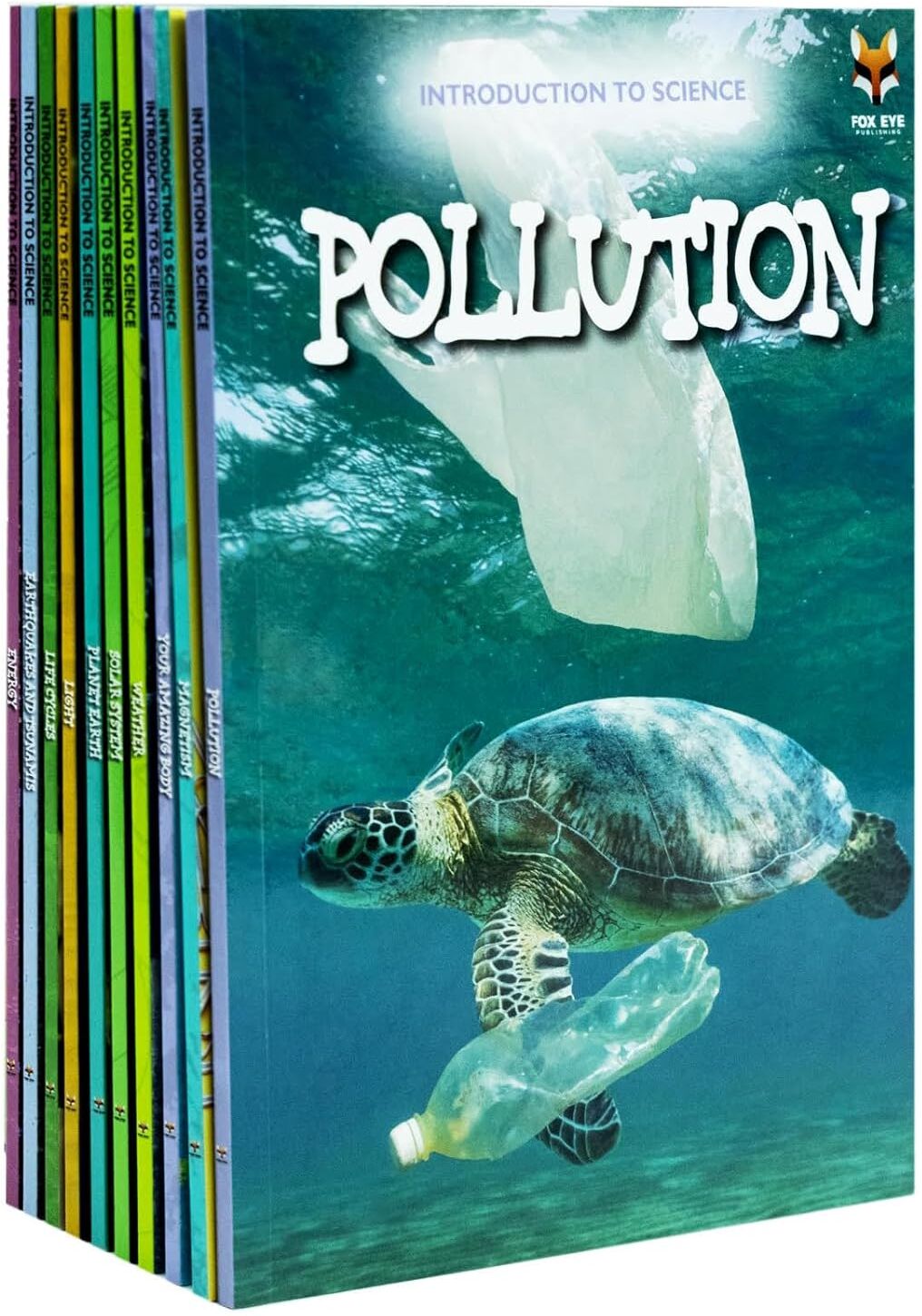
Fox Eye Publishing Introduction to Science for Beginners Series 2 – 10 Books Collection Set – Educational Science Learning CollectionThe 'Introduction to Science Series 2' comprises a comprehensive 10-book set that delves into fundamental scientific concepts across various domains. Each book offers an accessible and engaging exploration of its specific topic, making science approachable for learners of all levels. Here's a breakdown of the titles included: Introduction to Energy: What is energy and how do we use it? Find out about the amazing power of energy inside. Introduction to Earthquakes and Tsunamis: What are earthquakes and tsunamis and what causes them? Find out the answers to these questions and many more inside. Introduction to Planet Earth: Our Earth has amazing rivers, sky-scraping mountains, hot deserts and more! Find out more about it inside. Introduction to Solar System: What is a solar system and what is in our Solar System? Find out the answer to this question and many more inside. Introduction to Weather: How is weather made and how do we study and measure it? Find out about our amazing world of weather inside. Introduction to Life Cycles: What are life cycles and how do they work? Find out about the amazing world of life cycles inside. Introduction to Light: What is light and how do we use it? Find out about the amazing power of light inside. Introduction to Magnetism: What is magnetism and how do we use it? Find out about the amazing force of magnetism inside. Introduction to Your Amazing Body: What awesome things happen inside your body every day? Find out about your amazing body inside. Introduction to Pollution: What is pollution and how is it damaging our world? Find out about pollution and what we can do to stop it inside. This series serves as an invaluable resource, offering a gateway to scientific knowledge and fostering a profound appreciation for the wonders of the natural world while promoting an understanding of key scientific principles.9,99 £*Shipping: 2,99 £Secure redirect to the provider
-
The Handy Homestead Electric Robot Dog Toy For Kids Science & Learning bUnleash your childs curiosity with the DIY Electric Bionic Robot Dog Toy. Perfect for young innovators, this interactive mechanical dog combines handson assembly with exciting movement, sparking both learning and fun. Designed for boys and girls, it...41,97 $*Shipping: 0,00 $Secure redirect to the provider
-
Tool Science Digital Touch Ceramic Tourmaline Flat Iron 1 InchThe Tool Science Digital Touch Ceramic Tourmaline Flat Iron has an adjustable digital touch control for maximum styling ease.The ceramic plates produce far infrared heat to style hair from the inside out leaving hair softer, stronger and...49,99 $*Shipping: 0,00 $Secure redirect to the provider


-
What are some easy natural science courses?
Some easy natural science courses that students often find manageable include introductory biology, environmental science, and geology. These courses typically provide a broad overview of the subject matter and do not require extensive background knowledge. Additionally, courses that focus on practical applications, such as nutrition or astronomy, can also be considered relatively easy for students with an interest in the topic. Overall, choosing a natural science course that aligns with your interests and strengths can make the material more accessible and enjoyable. **
-
What is Natural Science and Technology (NWT)?
Natural Science and Technology (NWT) is an interdisciplinary subject that combines elements of natural sciences, technology, and engineering. It focuses on understanding the natural world, how technology impacts our lives, and how we can use scientific knowledge to solve real-world problems. NWT encourages students to explore the connections between science and technology and how they influence each other in our daily lives. Through hands-on experiments, research projects, and critical thinking activities, students develop a deeper understanding of the world around them and the role of science and technology in shaping our future. **
-
How are natural science and technology related?
Natural science and technology are closely related as they both involve the study and understanding of the natural world. Natural science seeks to understand the fundamental principles and laws that govern the natural world, while technology applies this understanding to create practical solutions to real-world problems. Technology often builds upon the knowledge gained from natural science to develop new tools, materials, and processes that improve our lives and our understanding of the natural world. In this way, natural science and technology work hand in hand to advance our understanding and utilization of the natural world. **
-
What prior knowledge is required for a vocational training in computer science?
Prior knowledge required for a vocational training in computer science typically includes a basic understanding of computer systems and software, familiarity with programming languages such as Java, C++, or Python, and knowledge of fundamental concepts in mathematics and logic. Additionally, having experience with computer hardware, networking, and operating systems can be beneficial for a successful vocational training in computer science. It is also helpful to have problem-solving skills, attention to detail, and a passion for technology. **

What prior knowledge is required for a specialized training in computer science?
Prior knowledge required for specialized training in computer science typically includes a strong foundation in mathematics, particularly in areas such as algebra, calculus, and discrete mathematics. Additionally, familiarity with programming languages like Java, Python, or C++ is essential. Understanding basic computer science concepts such as data structures, algorithms, and computer architecture is also important. Having experience with problem-solving and critical thinking skills will be beneficial for success in specialized computer science training. **
What is the difference between the courses Applied Computer Science - Software Engineering and Applied Computer Science - Engineering Computer Science?
The main difference between the courses Applied Computer Science - Software Engineering and Applied Computer Science - Engineering Computer Science lies in their focus areas. Applied Computer Science - Software Engineering typically emphasizes the design, development, and maintenance of software systems, while Applied Computer Science - Engineering Computer Science focuses more on the broader aspects of computer science, including hardware, networking, and system architecture. Students in Software Engineering may delve deeper into programming languages, software testing, and project management, whereas students in Engineering Computer Science may explore topics like computer organization, algorithms, and data structures. Ultimately, the choice between the two courses depends on whether one's interests lie more in software development or a broader understanding of computer science principles. **
Top-Angebote
Products related to Science:
-
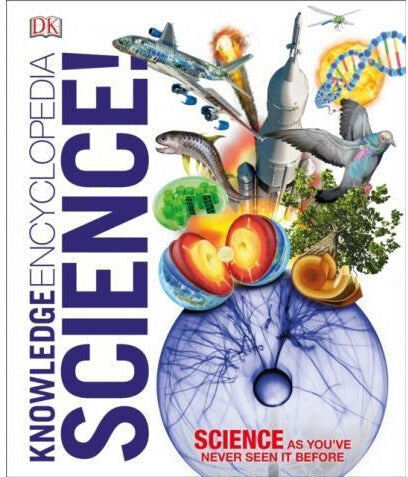
Dorling Kindersley Knowledge Encyclopedia Science By DKKnowledge Encyclopedia Science Description An extraordinary encyclopedia with a ground-breaking visual approach to science; using awesome illustrations to show biology; chemistry; and physics in the world around us. Incredible computer-generated images pack the pages to reveal and explain science as never before; looking inside a cell; for example; pulling apart a Formula 1 racing car; and examining the forces that hold the Universe together. Knowledge Encyclopedia: Science! covers all the key core science subjects; but with an inventive visual approach to draw in curious young minds. All the essential information is there in easy-to-read text; together with additional fun facts; and brought to life with amazing 3D illustrations that look inside the anatomy of a blue whale; zoom into a molecule of water; and out of the Solar System. A perfect introduction to science for.9,99 £*Shipping: 2,99 £Secure redirect to the provider
-
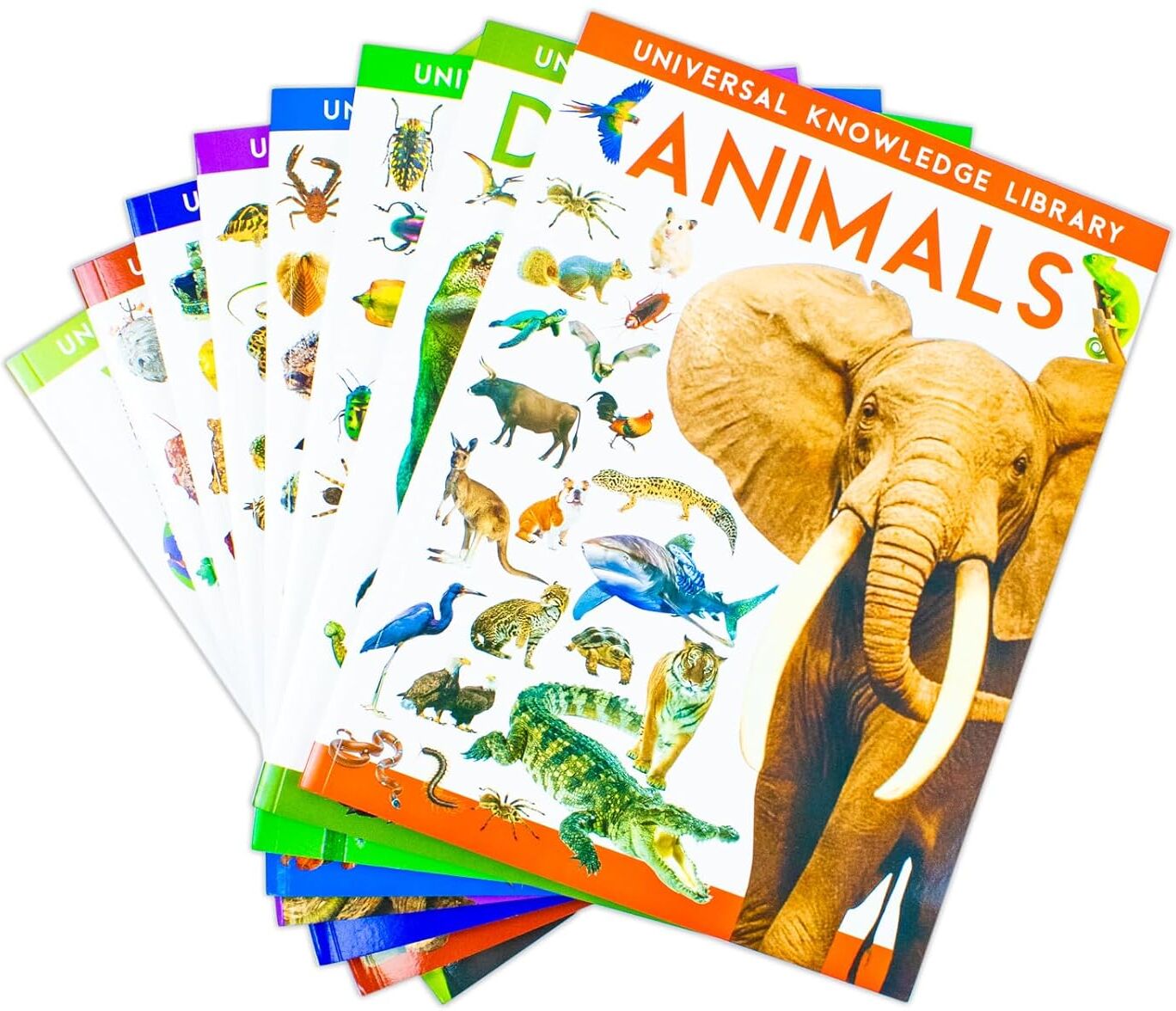
Fox Eye Publishing Universal Knowledge Library Animals & Nature 8 Book Collection Set – Dinosaurs, Oceans, Volcanoes & Educational Science Learning BooksEmbark on an exciting adventure with the Universal Knowledge Library: Animals and Nature 8 Volumes Book Collection Set! This beautifully illustrated series is perfect for curious young minds eager to explore the wonders of our world. Each volume is packed with fascinating facts and vibrant images, making learning fun and engaging. Animals: Meet the amazing creatures that roam our planet, from the jungles to the savannas, and discover what makes each one unique. Dinosaurs: Travel back in time to the age of the dinosaurs and learn about these incredible giants that once ruled the Earth. Insects: Get up close with the tiny yet extraordinary world of insects and uncover their vital roles in nature. Oceans: Dive into the depths of the oceans and explore the mysterious and colourful life beneath the waves. Reptiles: Slither and crawl through the fascinating lives of reptiles, from snakes to turtles, and learn about their habitats and behaviours. Rocks & Minerals: Unearth the secrets of rocks and minerals, and find out how these building blocks of our planet are formed. Trees: Climb high into the world of trees and discover their importance to our environment and the incredible diversity of species. Volcanoes & Earthquakes: Feel the power of nature's most dramatic events and understand how volcanoes and earthquakes shape our world. Perfect for children aged 7 and up, this collection will inspire a love for reading and a passion for discovery. Dive in and let your adventure begin!16,90 £*Shipping: 2,99 £Secure redirect to the provider
-
Fox Eye Publishing Universal Knowledge Library Science and History 8 Volume Book Collection Set – Ancient Civilisations, Human Body, Universe & Educational Learning BookUniversal Knowledge Library: Science and History - 8 Volumes Introduction: Welcome to the Universal Knowledge Library, a magical collection that opens the door to the wonders of science and history. These eight beautifully illustrated books will take you on exciting adventures, where you'll explore ancient civilizations, discover amazing inventions, and learn about the mysteries of the universe. Get ready to embark on a journey of discovery and wonder! Ancient Civilisations: Travel back in time to explore the incredible stories of ancient civilizations like Egypt, Greece, and Rome. Learn about their cultures, inventions, and the people who shaped history. Inventions: Uncover the amazing inventions that changed the world, from the wheel and the printing press to modern-day gadgets. Discover how these creations have made our lives easier and more exciting. Prehistoric Life: Step into the world of dinosaurs and other prehistoric creatures. Find out how these incredible animals lived millions of years ago and what scientists have learned from their fossils. Universe: Look up at the night sky and explore the vast universe. Learn about stars, galaxies, black holes, and the fascinating science behind the cosmos. Energy: Dive into the world of energy and discover how it powers everything around us. From the food we eat to the electricity that lights our homes, energy is all around us! Human Body: Take a fantastic journey inside the human body. Learn about how our organs work, how we grow, and the amazing ways our bodies keep us healthy. Planets: Visit the planets in our solar system and beyond. Discover the unique features of each planet and what makes Earth so special. Weather: Understand the science of weather and how it affects our daily lives. Learn about rain, snow, storms, and the fascinating patterns of our planet's climate. With the Universal Knowledge Library, each book is a new adventure waiting to be explored. Open the pages and let your curiosity lead the way!17,99 £*Shipping: 2,99 £Secure redirect to the provider
-
Fox Eye Publishing Introduction to Science for Beginners Series 2 – 10 Books Collection Set – Educational Science Learning CollectionThe 'Introduction to Science Series 2' comprises a comprehensive 10-book set that delves into fundamental scientific concepts across various domains. Each book offers an accessible and engaging exploration of its specific topic, making science approachable for learners of all levels. Here's a breakdown of the titles included: Introduction to Energy: What is energy and how do we use it? Find out about the amazing power of energy inside. Introduction to Earthquakes and Tsunamis: What are earthquakes and tsunamis and what causes them? Find out the answers to these questions and many more inside. Introduction to Planet Earth: Our Earth has amazing rivers, sky-scraping mountains, hot deserts and more! Find out more about it inside. Introduction to Solar System: What is a solar system and what is in our Solar System? Find out the answer to this question and many more inside. Introduction to Weather: How is weather made and how do we study and measure it? Find out about our amazing world of weather inside. Introduction to Life Cycles: What are life cycles and how do they work? Find out about the amazing world of life cycles inside. Introduction to Light: What is light and how do we use it? Find out about the amazing power of light inside. Introduction to Magnetism: What is magnetism and how do we use it? Find out about the amazing force of magnetism inside. Introduction to Your Amazing Body: What awesome things happen inside your body every day? Find out about your amazing body inside. Introduction to Pollution: What is pollution and how is it damaging our world? Find out about pollution and what we can do to stop it inside. This series serves as an invaluable resource, offering a gateway to scientific knowledge and fostering a profound appreciation for the wonders of the natural world while promoting an understanding of key scientific principles.9,99 £*Shipping: 2,99 £Secure redirect to the provider
-
What are easy natural science courses?
Easy natural science courses typically include introductory level classes such as biology, environmental science, and geology. These courses often cover basic concepts and do not require extensive background knowledge in the subject. Additionally, some universities offer interdisciplinary courses that combine natural science with other fields, such as science and society or science and the environment, which can be more accessible to students with varying interests and backgrounds. Overall, easy natural science courses are designed to provide a foundational understanding of scientific principles without being overly challenging. **
-
Could science fiction technology become real?
Yes, science fiction technology could become real in the future. Many of the technological advancements that were once considered science fiction, such as video calling, self-driving cars, and virtual reality, have already become a reality. With continued advancements in science and technology, it is possible that other futuristic technologies, such as teleportation or advanced artificial intelligence, could also become a reality in the future. While some science fiction technologies may still be far-fetched, it is important to remember that many of today's realities were once considered impossible in the past. **
-
What are some easy natural science courses?
Some easy natural science courses that students often find manageable include introductory biology, environmental science, and geology. These courses typically provide a broad overview of the subject matter and do not require extensive background knowledge. Additionally, courses that focus on practical applications, such as nutrition or astronomy, can also be considered relatively easy for students with an interest in the topic. Overall, choosing a natural science course that aligns with your interests and strengths can make the material more accessible and enjoyable. **
-
What is Natural Science and Technology (NWT)?
Natural Science and Technology (NWT) is an interdisciplinary subject that combines elements of natural sciences, technology, and engineering. It focuses on understanding the natural world, how technology impacts our lives, and how we can use scientific knowledge to solve real-world problems. NWT encourages students to explore the connections between science and technology and how they influence each other in our daily lives. Through hands-on experiments, research projects, and critical thinking activities, students develop a deeper understanding of the world around them and the role of science and technology in shaping our future. **
Similar search terms for Science
-
The Handy Homestead Electric Robot Dog Toy For Kids Science & Learning bUnleash your childs curiosity with the DIY Electric Bionic Robot Dog Toy. Perfect for young innovators, this interactive mechanical dog combines handson assembly with exciting movement, sparking both learning and fun. Designed for boys and girls, it...41,97 $*Shipping: 0,00 $Secure redirect to the provider
-
Tool Science Digital Touch Ceramic Tourmaline Flat Iron 1 InchThe Tool Science Digital Touch Ceramic Tourmaline Flat Iron has an adjustable digital touch control for maximum styling ease.The ceramic plates produce far infrared heat to style hair from the inside out leaving hair softer, stronger and...49,99 $*Shipping: 0,00 $Secure redirect to the provider
-
Tool Science Digital Nano Silver Flat Iron 1 1/4 inchThe Tool Science Professional Digital Nano-Silver Flat Iron (1 1/4 Inch) uses nano silver's unique properties to enhance healthier hair, leaving it smoother shinier and more manageable. The Nano-Silver Digital Flat Iron uses an advanced...69,99 $*Shipping: 0,00 $Secure redirect to the provider
-
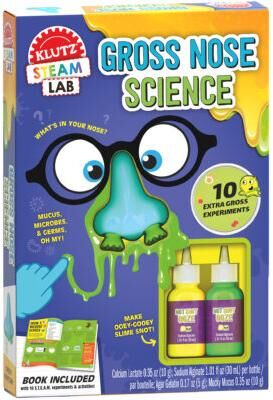
Klutz: Gross Nose ScienceSqueeze slimy snots through a soft and squishy nose! Explore ten different experiments on sinus-based anatomy, make sense of scents with the power of smell, and even whip up a batch of boogers! Learn how snot, mucus, and nose hairs protect your...24,99 $*Shipping: 0,00 $Secure redirect to the provider
-
How are natural science and technology related?
Natural science and technology are closely related as they both involve the study and understanding of the natural world. Natural science seeks to understand the fundamental principles and laws that govern the natural world, while technology applies this understanding to create practical solutions to real-world problems. Technology often builds upon the knowledge gained from natural science to develop new tools, materials, and processes that improve our lives and our understanding of the natural world. In this way, natural science and technology work hand in hand to advance our understanding and utilization of the natural world. **
-
What prior knowledge is required for a vocational training in computer science?
Prior knowledge required for a vocational training in computer science typically includes a basic understanding of computer systems and software, familiarity with programming languages such as Java, C++, or Python, and knowledge of fundamental concepts in mathematics and logic. Additionally, having experience with computer hardware, networking, and operating systems can be beneficial for a successful vocational training in computer science. It is also helpful to have problem-solving skills, attention to detail, and a passion for technology. **
-
What prior knowledge is required for a specialized training in computer science?
Prior knowledge required for specialized training in computer science typically includes a strong foundation in mathematics, particularly in areas such as algebra, calculus, and discrete mathematics. Additionally, familiarity with programming languages like Java, Python, or C++ is essential. Understanding basic computer science concepts such as data structures, algorithms, and computer architecture is also important. Having experience with problem-solving and critical thinking skills will be beneficial for success in specialized computer science training. **
-
What is the difference between the courses Applied Computer Science - Software Engineering and Applied Computer Science - Engineering Computer Science?
The main difference between the courses Applied Computer Science - Software Engineering and Applied Computer Science - Engineering Computer Science lies in their focus areas. Applied Computer Science - Software Engineering typically emphasizes the design, development, and maintenance of software systems, while Applied Computer Science - Engineering Computer Science focuses more on the broader aspects of computer science, including hardware, networking, and system architecture. Students in Software Engineering may delve deeper into programming languages, software testing, and project management, whereas students in Engineering Computer Science may explore topics like computer organization, algorithms, and data structures. Ultimately, the choice between the two courses depends on whether one's interests lie more in software development or a broader understanding of computer science principles. **
* All prices are inclusive of VAT and, if applicable, plus shipping costs. The offer information is based on the details provided by the respective shop and is updated through automated processes. Real-time updates do not occur, so deviations can occur in individual cases. ** Note: Parts of this content were created by AI.