Buy eduarte.eu ?
We are moving the project
eduarte.eu .
Are you interested in purchasing the domain
eduarte.eu ?
domain@kv-gmbh.de · 0541-91531010
Buy eduarte.eu ?
What is a temporal clause?
A temporal clause is a type of subordinate clause that provides information about when an action takes place in relation to the main clause. It usually includes a time-related word or phrase, such as "when," "while," "after," "before," or "since." Temporal clauses help to clarify the timing of events in a sentence and are commonly used in complex sentences to show the sequence of actions. **
What is the temporal context?
The temporal context refers to the time period or timeframe in which an event, situation, or piece of information occurs or is relevant. It helps to provide a framework for understanding the sequence of events and the historical or current significance of a particular topic. Understanding the temporal context is important for interpreting and analyzing information accurately within its historical or current timeframe. **

Similar search terms for Temporal
Top-Angebote
Products related to Temporal:
-
Tiny Tots Teens Trends Drawer Game Early Education Montessori Wooden Pitch Ball Box Preschool Learning Training Toy Drawer Game Early Education Montessori Wooden Pitch Ball Box Preschool Learning Training ToyThis Montessori Wooden Pitch Ball Box Drawer Game is a thoughtfully designed earlyeducation toy that transforms playtime into purposeful learning. Crafted for toddlers and preschoolers, it offers a handson, engaging way to support key developmental...39,97 $*Shipping: 0,00 $Secure redirect to the provider
-
Perfect Picks Market Geometric Building Blocks Set For Kids Early Education Intelligence Development Toy Geometric Building Blocks Set For Kids Early Education Intelligence Development ToyUnlock your child's potential with this early education equipment designed to stimulate creativity and intelligence! This geometric set is the perfect building block toy for boys, helping to develop problemsolving skills while having fun. The...35,97 $*Shipping: 0,00 $Secure redirect to the provider
-
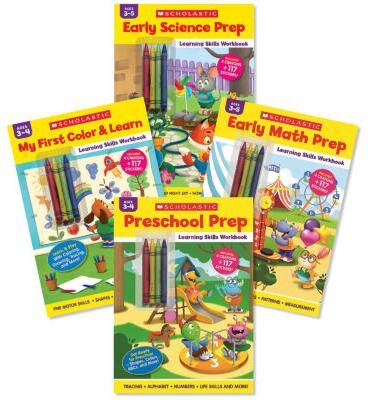
Learning Skills Workbook Ages 3-5 Value PackSupport your child's preschool readiness with these fun workbooks. Each workbook comes with four crayons and stickers.This set includes:Early Math Prep Learning Skills WorkbookEarly Science Prep: Learning Skills WorkbookMy First Color & Learn:...32,99 $*Shipping: 0,00 $Secure redirect to the provider
-
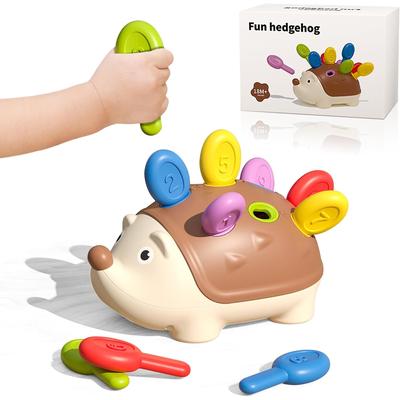
Tiny Tots Teens Trends Montessori Educational Toy, Hedgehog Fine Motor Skills, Toddler Counting, Sensory Development Montessori Educational Toy, Hedgehog Fine Motor Skills, Toddler Counting, Sensory DevelopmentHedgehog Montessori Educational Toy is a delightful and engaging learning tool designed to help toddlers develop essential fine motor skills, improve their concentration, and enhance sensory development. This toy promotes handson learning through...59,97 $*Shipping: 0,00 $Secure redirect to the provider


-
What does the term "temporal error" mean?
Temporal error refers to a mistake or discrepancy that occurs in relation to time. It can occur when there is a mismatch between the timing of events or actions, leading to inaccuracies or inconsistencies in the temporal sequence. In computing, temporal errors can occur when there are issues with the timing or synchronization of processes, resulting in incorrect outcomes or behaviors. Identifying and addressing temporal errors is important to ensure the accuracy and reliability of systems and processes. **
-
How are temporal clauses formed in Latin?
Temporal clauses in Latin are formed using subordinating conjunctions such as "cum" (when), "postquam" (after), "dum" (while), and "antequam" (before). These conjunctions are followed by a verb in the subjunctive mood to indicate that the action of the temporal clause is dependent on the action of the main clause. For example, "cum veniat" means "when he/she comes" and "postquam viderit" means "after he/she sees." These temporal clauses are used to express the time relationship between two actions or events. **
-
How do you form temporal clauses in French?
Temporal clauses in French are formed using subordinating conjunctions such as "quand" (when), "pendant que" (while), "dès que" (as soon as), "avant que" (before), "après que" (after), etc. These subordinating conjunctions are followed by a subject and a verb in the subjunctive mood if the action in the temporal clause has not yet occurred, or in the indicative mood if the action has already taken place. Temporal clauses are used to indicate the timing or sequence of events in relation to the main clause. **
-
Is there actually a temporal version of homesickness?
Yes, there is a temporal version of homesickness known as "time-sickness." Time-sickness is the feeling of longing for a specific time period in the past, such as childhood or a significant moment in one's life. It can be triggered by nostalgia or a desire to relive happy memories from the past. Time-sickness can lead to feelings of sadness, yearning, and a sense of disconnection from the present moment. **
Can there be simultaneous spatial and temporal summation?
Yes, simultaneous spatial and temporal summation can occur. Spatial summation refers to the combination of signals from different locations on a neuron's dendrites, while temporal summation involves the combination of signals arriving at different times. Both types of summation can occur simultaneously, with multiple signals from different locations and at different times converging to trigger an action potential in a neuron. This allows for the integration of spatially and temporally distributed inputs to generate a coordinated response. **
What are the temporal prepositions for "in" and "nach"?
The temporal preposition for "in" is typically used for future time expressions, such as "in einer Woche" (in a week) or "in zwei Monaten" (in two months). On the other hand, the temporal preposition for "nach" is used for time expressions that refer to events happening after a certain point in time, such as "nach dem Abendessen" (after dinner) or "nach der Schule" (after school). **
Top-Angebote
Products related to Temporal:
-
Uplifted Finds Retro Macintosh Aesthetic Clock & Technical Temporal Desktop Logic Retro Macintosh Aesthetic Clock & Technical Temporal Desktop LogicInaugurate a powerful ChronosSanctuary energy for your digital environment with the ultimate 2026 boutiqueintegrated temporal solution. The Retro Macintosh Aesthetic Clock is the premier choice for creating a TechnicalModern or StudioLuxe atmosphere...212,97 $*Shipping: 0,00 $Secure redirect to the provider
-
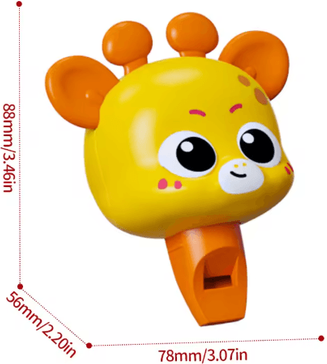
Inspire Picks Interactive Giraffe Suction Cup Toy Multifunctional Sensory Learning And Motor Skills Development Toy whistleEncourage handson learning and playful discovery with this interactive giraffe toy designed for growing minds. Featuring a strong suction cup base, it easily attaches to smooth surfaces for stable, engaging play at home or on the go. Made from safe,...34,93 $*Shipping: 0,00 $Secure redirect to the provider
-
Tiny Tots Teens Trends Drawer Game Early Education Montessori Wooden Pitch Ball Box Preschool Learning Training Toy Drawer Game Early Education Montessori Wooden Pitch Ball Box Preschool Learning Training ToyThis Montessori Wooden Pitch Ball Box Drawer Game is a thoughtfully designed earlyeducation toy that transforms playtime into purposeful learning. Crafted for toddlers and preschoolers, it offers a handson, engaging way to support key developmental...39,97 $*Shipping: 0,00 $Secure redirect to the provider
-
Perfect Picks Market Geometric Building Blocks Set For Kids Early Education Intelligence Development Toy Geometric Building Blocks Set For Kids Early Education Intelligence Development ToyUnlock your child's potential with this early education equipment designed to stimulate creativity and intelligence! This geometric set is the perfect building block toy for boys, helping to develop problemsolving skills while having fun. The...35,97 $*Shipping: 0,00 $Secure redirect to the provider
-
What is a temporal clause?
A temporal clause is a type of subordinate clause that provides information about when an action takes place in relation to the main clause. It usually includes a time-related word or phrase, such as "when," "while," "after," "before," or "since." Temporal clauses help to clarify the timing of events in a sentence and are commonly used in complex sentences to show the sequence of actions. **
-
What is the temporal context?
The temporal context refers to the time period or timeframe in which an event, situation, or piece of information occurs or is relevant. It helps to provide a framework for understanding the sequence of events and the historical or current significance of a particular topic. Understanding the temporal context is important for interpreting and analyzing information accurately within its historical or current timeframe. **
-
What does the term "temporal error" mean?
Temporal error refers to a mistake or discrepancy that occurs in relation to time. It can occur when there is a mismatch between the timing of events or actions, leading to inaccuracies or inconsistencies in the temporal sequence. In computing, temporal errors can occur when there are issues with the timing or synchronization of processes, resulting in incorrect outcomes or behaviors. Identifying and addressing temporal errors is important to ensure the accuracy and reliability of systems and processes. **
-
How are temporal clauses formed in Latin?
Temporal clauses in Latin are formed using subordinating conjunctions such as "cum" (when), "postquam" (after), "dum" (while), and "antequam" (before). These conjunctions are followed by a verb in the subjunctive mood to indicate that the action of the temporal clause is dependent on the action of the main clause. For example, "cum veniat" means "when he/she comes" and "postquam viderit" means "after he/she sees." These temporal clauses are used to express the time relationship between two actions or events. **
Similar search terms for Temporal
-
Learning Skills Workbook Ages 3-5 Value PackSupport your child's preschool readiness with these fun workbooks. Each workbook comes with four crayons and stickers.This set includes:Early Math Prep Learning Skills WorkbookEarly Science Prep: Learning Skills WorkbookMy First Color & Learn:...32,99 $*Shipping: 0,00 $Secure redirect to the provider
-
Tiny Tots Teens Trends Montessori Educational Toy, Hedgehog Fine Motor Skills, Toddler Counting, Sensory Development Montessori Educational Toy, Hedgehog Fine Motor Skills, Toddler Counting, Sensory DevelopmentHedgehog Montessori Educational Toy is a delightful and engaging learning tool designed to help toddlers develop essential fine motor skills, improve their concentration, and enhance sensory development. This toy promotes handson learning through...59,97 $*Shipping: 0,00 $Secure redirect to the provider
-
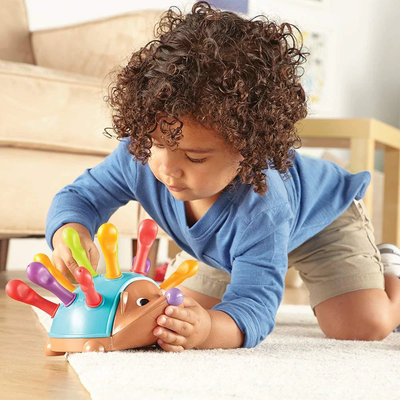
Playful Picks Montessori Hedgehog Color Sorting Educational Toddler Toy For Fine Motor Skills Development Montessori Hedgehog Color Sorting Educational Toddler Toy For Fine Motor Skills DevelopmentTurn early learning into a joyful daily adventure with a toy designed to spark curiosity and growth. The Montessori hedgehog toy is thoughtfully created for toddlers aged 13, helping them explore colors, counting, and coordination through handson...24,97 $*Shipping: 0,00 $Secure redirect to the provider
-
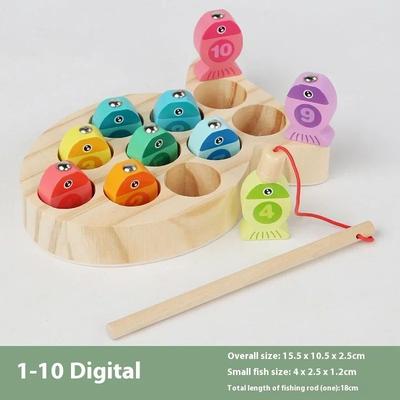
Inspire Select Wooden Montessori Fishing Toy Set Kids Number & Alphabet Learning Game For Early Education Training numbersMake learning fun and interactive with a playful educational experience. This Montessori fishing toy helps children develop essential skills while enjoying handson play. Designed for toddlers and young kids, this wooden learning toy combines...64,96 $*Shipping: 0,00 $Secure redirect to the provider
-
How do you form temporal clauses in French?
Temporal clauses in French are formed using subordinating conjunctions such as "quand" (when), "pendant que" (while), "dès que" (as soon as), "avant que" (before), "après que" (after), etc. These subordinating conjunctions are followed by a subject and a verb in the subjunctive mood if the action in the temporal clause has not yet occurred, or in the indicative mood if the action has already taken place. Temporal clauses are used to indicate the timing or sequence of events in relation to the main clause. **
-
Is there actually a temporal version of homesickness?
Yes, there is a temporal version of homesickness known as "time-sickness." Time-sickness is the feeling of longing for a specific time period in the past, such as childhood or a significant moment in one's life. It can be triggered by nostalgia or a desire to relive happy memories from the past. Time-sickness can lead to feelings of sadness, yearning, and a sense of disconnection from the present moment. **
-
Can there be simultaneous spatial and temporal summation?
Yes, simultaneous spatial and temporal summation can occur. Spatial summation refers to the combination of signals from different locations on a neuron's dendrites, while temporal summation involves the combination of signals arriving at different times. Both types of summation can occur simultaneously, with multiple signals from different locations and at different times converging to trigger an action potential in a neuron. This allows for the integration of spatially and temporally distributed inputs to generate a coordinated response. **
-
What are the temporal prepositions for "in" and "nach"?
The temporal preposition for "in" is typically used for future time expressions, such as "in einer Woche" (in a week) or "in zwei Monaten" (in two months). On the other hand, the temporal preposition for "nach" is used for time expressions that refer to events happening after a certain point in time, such as "nach dem Abendessen" (after dinner) or "nach der Schule" (after school). **
* All prices are inclusive of VAT and, if applicable, plus shipping costs. The offer information is based on the details provided by the respective shop and is updated through automated processes. Real-time updates do not occur, so deviations can occur in individual cases. ** Note: Parts of this content were created by AI.