Buy eduarte.eu ?
We are moving the project
eduarte.eu .
Are you interested in purchasing the domain
eduarte.eu ?
domain@kv-gmbh.de · 0541-91531010
Buy eduarte.eu ?
What are reactants and products?
Reactants are the starting materials in a chemical reaction that undergo a change to form new substances called products. Reactants are consumed during the reaction, while products are the end result of the reaction. The reactants are typically written on the left side of a chemical equation, while the products are written on the right side. **
What are limiting reactants in chemistry?
Limiting reactants, also known as limiting reagents, are the reactants in a chemical reaction that are completely consumed, thus limiting the amount of product that can be formed. In other words, they determine the maximum amount of product that can be produced in a reaction. The concept of limiting reactants is important in stoichiometry, as it helps to determine the theoretical yield of a reaction and identify the excess reactant that will be left over after the reaction is complete. **
Similar search terms for Reactants
Top-Angebote
Products related to Reactants:
-
Perfect Picks Market Geometric Building Blocks Set For Kids Early Education Intelligence Development Toy Geometric Building Blocks Set For Kids Early Education Intelligence Development ToyUnlock your child's potential with this early education equipment designed to stimulate creativity and intelligence! This geometric set is the perfect building block toy for boys, helping to develop problemsolving skills while having fun. The...35,97 $*Shipping: 0,00 $Secure redirect to the provider
-
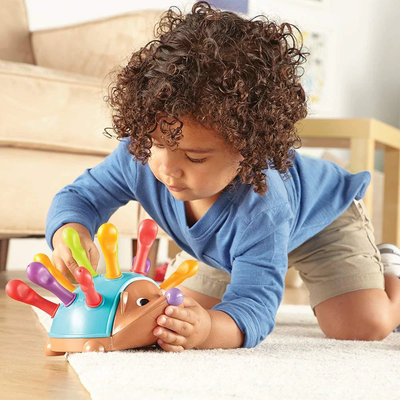
Playful Picks Montessori Hedgehog Color Sorting Educational Toddler Toy For Fine Motor Skills Development Montessori Hedgehog Color Sorting Educational Toddler Toy For Fine Motor Skills DevelopmentTurn early learning into a joyful daily adventure with a toy designed to spark curiosity and growth. The Montessori hedgehog toy is thoughtfully created for toddlers aged 13, helping them explore colors, counting, and coordination through handson...24,97 $*Shipping: 0,00 $Secure redirect to the provider
-
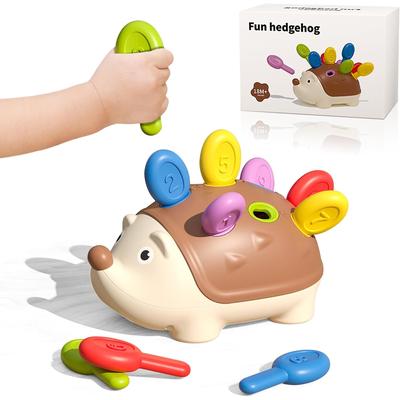
Tiny Tots Teens Trends Montessori Educational Toy, Hedgehog Fine Motor Skills, Toddler Counting, Sensory Development Montessori Educational Toy, Hedgehog Fine Motor Skills, Toddler Counting, Sensory DevelopmentHedgehog Montessori Educational Toy is a delightful and engaging learning tool designed to help toddlers develop essential fine motor skills, improve their concentration, and enhance sensory development. This toy promotes handson learning through...59,97 $*Shipping: 0,00 $Secure redirect to the provider
-
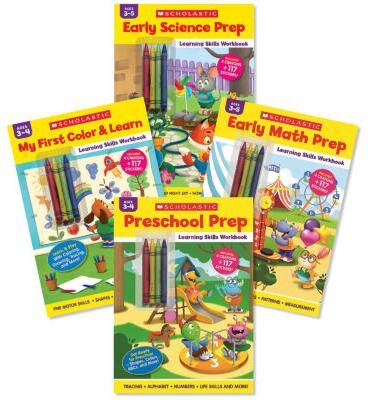
Learning Skills Workbook Ages 3-5 Value PackSupport your child's preschool readiness with these fun workbooks. Each workbook comes with four crayons and stickers.This set includes:Early Math Prep Learning Skills WorkbookEarly Science Prep: Learning Skills WorkbookMy First Color & Learn:...32,99 $*Shipping: 0,00 $Secure redirect to the provider

-
How do you calculate reactants in chemistry?
To calculate reactants in chemistry, you first need to write a balanced chemical equation for the reaction. Then, determine the molar ratio between the reactants and the product in the balanced equation. Next, calculate the number of moles of the known reactant using its given mass or volume and its molar mass. Finally, use the molar ratio to calculate the number of moles of the other reactant needed for the reaction. **
-
Are only reactants given in redox reactions?
No, redox reactions involve both reactants and products. In a redox reaction, one substance undergoes oxidation (loses electrons) while another undergoes reduction (gains electrons). Therefore, both the reactants and products are involved in the redox process. The reactants are the starting materials that undergo the redox reaction, while the products are the resulting substances after the redox reaction has occurred. **
-
How do you calculate the reactants in chemistry?
To calculate the reactants in a chemical reaction, you first need to write out the balanced chemical equation for the reaction. Then, you can use stoichiometry to calculate the amount of reactants needed based on the desired amount of product. This involves using the coefficients in the balanced equation to set up conversion factors and then using these conversion factors to calculate the amount of reactants required. Finally, you can use the molar mass of the reactants to convert between mass and moles if necessary. **
-
What are the products and what are the reactants?
In a chemical reaction, the reactants are the substances that undergo a chemical change to form new substances called products. Reactants are the starting materials that are transformed into products during the reaction. The products are the end result of the chemical reaction, formed from the rearrangement of atoms in the reactants. The reactants are consumed during the reaction, while the products are the new substances that are produced. **

How do I know which reactants are Delta H?
In a chemical reaction, the reactants that are involved in a change in enthalpy (ΔH) are typically those that are being broken or formed. This means that the reactants that are being broken apart or formed into new compounds are the ones that contribute to the overall change in enthalpy of the reaction. To identify these reactants, you can look at the chemical equation for the reaction and identify the bonds that are being broken or formed. These are the reactants that will have a ΔH associated with them. **
'How do I solve an oxidation with multiple reactants?'
To solve an oxidation reaction with multiple reactants, you need to identify the oxidation numbers of each element in the reactants and products. Then, balance the equation by adding coefficients to ensure that the number of atoms of each element is the same on both sides of the equation. Next, determine which elements are being oxidized and which are being reduced by comparing their oxidation numbers before and after the reaction. Finally, balance the electrons transferred in the oxidation and reduction half-reactions to ensure that the overall charge is conserved. **
Top-Angebote
Products related to Reactants:
-
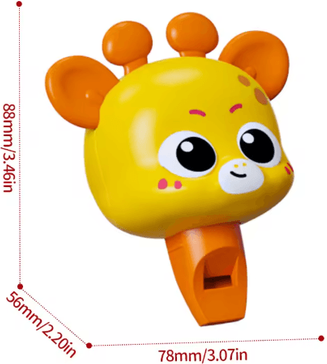
Inspire Picks Interactive Giraffe Suction Cup Toy Multifunctional Sensory Learning And Motor Skills Development Toy whistleEncourage handson learning and playful discovery with this interactive giraffe toy designed for growing minds. Featuring a strong suction cup base, it easily attaches to smooth surfaces for stable, engaging play at home or on the go. Made from safe,...34,93 $*Shipping: 0,00 $Secure redirect to the provider
-
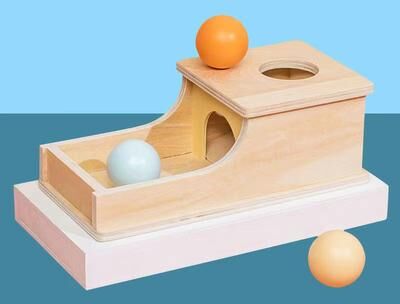
Tiny Tots Teens Trends Drawer Game Early Education Montessori Wooden Pitch Ball Box Preschool Learning Training Toy Drawer Game Early Education Montessori Wooden Pitch Ball Box Preschool Learning Training ToyThis Montessori Wooden Pitch Ball Box Drawer Game is a thoughtfully designed earlyeducation toy that transforms playtime into purposeful learning. Crafted for toddlers and preschoolers, it offers a handson, engaging way to support key developmental...39,97 $*Shipping: 0,00 $Secure redirect to the provider
-
Perfect Picks Market Geometric Building Blocks Set For Kids Early Education Intelligence Development Toy Geometric Building Blocks Set For Kids Early Education Intelligence Development ToyUnlock your child's potential with this early education equipment designed to stimulate creativity and intelligence! This geometric set is the perfect building block toy for boys, helping to develop problemsolving skills while having fun. The...35,97 $*Shipping: 0,00 $Secure redirect to the provider
-
Playful Picks Montessori Hedgehog Color Sorting Educational Toddler Toy For Fine Motor Skills Development Montessori Hedgehog Color Sorting Educational Toddler Toy For Fine Motor Skills DevelopmentTurn early learning into a joyful daily adventure with a toy designed to spark curiosity and growth. The Montessori hedgehog toy is thoughtfully created for toddlers aged 13, helping them explore colors, counting, and coordination through handson...24,97 $*Shipping: 0,00 $Secure redirect to the provider
-
What are reactants and products?
Reactants are the starting materials in a chemical reaction that undergo a change to form new substances called products. Reactants are consumed during the reaction, while products are the end result of the reaction. The reactants are typically written on the left side of a chemical equation, while the products are written on the right side. **
-
What are limiting reactants in chemistry?
Limiting reactants, also known as limiting reagents, are the reactants in a chemical reaction that are completely consumed, thus limiting the amount of product that can be formed. In other words, they determine the maximum amount of product that can be produced in a reaction. The concept of limiting reactants is important in stoichiometry, as it helps to determine the theoretical yield of a reaction and identify the excess reactant that will be left over after the reaction is complete. **
-
How do you calculate reactants in chemistry?
To calculate reactants in chemistry, you first need to write a balanced chemical equation for the reaction. Then, determine the molar ratio between the reactants and the product in the balanced equation. Next, calculate the number of moles of the known reactant using its given mass or volume and its molar mass. Finally, use the molar ratio to calculate the number of moles of the other reactant needed for the reaction. **
-
Are only reactants given in redox reactions?
No, redox reactions involve both reactants and products. In a redox reaction, one substance undergoes oxidation (loses electrons) while another undergoes reduction (gains electrons). Therefore, both the reactants and products are involved in the redox process. The reactants are the starting materials that undergo the redox reaction, while the products are the resulting substances after the redox reaction has occurred. **
Similar search terms for Reactants
-
Tiny Tots Teens Trends Montessori Educational Toy, Hedgehog Fine Motor Skills, Toddler Counting, Sensory Development Montessori Educational Toy, Hedgehog Fine Motor Skills, Toddler Counting, Sensory DevelopmentHedgehog Montessori Educational Toy is a delightful and engaging learning tool designed to help toddlers develop essential fine motor skills, improve their concentration, and enhance sensory development. This toy promotes handson learning through...59,97 $*Shipping: 0,00 $Secure redirect to the provider
-
Learning Skills Workbook Ages 3-5 Value PackSupport your child's preschool readiness with these fun workbooks. Each workbook comes with four crayons and stickers.This set includes:Early Math Prep Learning Skills WorkbookEarly Science Prep: Learning Skills WorkbookMy First Color & Learn:...32,99 $*Shipping: 0,00 $Secure redirect to the provider
-
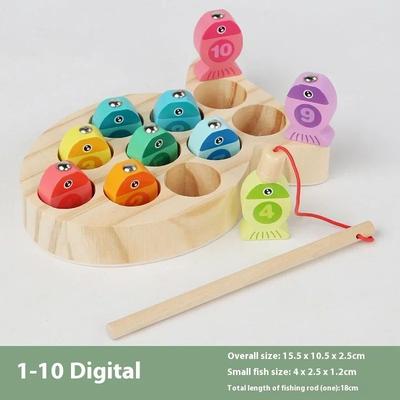
Inspire Select Wooden Montessori Fishing Toy Set Kids Number & Alphabet Learning Game For Early Education Training numbersMake learning fun and interactive with a playful educational experience. This Montessori fishing toy helps children develop essential skills while enjoying handson play. Designed for toddlers and young kids, this wooden learning toy combines...64,96 $*Shipping: 0,00 $Secure redirect to the provider
-
Inspire Picks Interactive Giraffe Suction Cup Toy Multifunctional Sensory Learning And Motor Skills Development Toy multi FuntionalEncourage handson learning and playful discovery with this interactive giraffe toy designed for growing minds. Featuring a strong suction cup base, it easily attaches to smooth surfaces for stable, engaging play at home or on the go. Made from safe,...34,93 $*Shipping: 0,00 $Secure redirect to the provider
-
How do you calculate the reactants in chemistry?
To calculate the reactants in a chemical reaction, you first need to write out the balanced chemical equation for the reaction. Then, you can use stoichiometry to calculate the amount of reactants needed based on the desired amount of product. This involves using the coefficients in the balanced equation to set up conversion factors and then using these conversion factors to calculate the amount of reactants required. Finally, you can use the molar mass of the reactants to convert between mass and moles if necessary. **
-
What are the products and what are the reactants?
In a chemical reaction, the reactants are the substances that undergo a chemical change to form new substances called products. Reactants are the starting materials that are transformed into products during the reaction. The products are the end result of the chemical reaction, formed from the rearrangement of atoms in the reactants. The reactants are consumed during the reaction, while the products are the new substances that are produced. **
-
How do I know which reactants are Delta H?
In a chemical reaction, the reactants that are involved in a change in enthalpy (ΔH) are typically those that are being broken or formed. This means that the reactants that are being broken apart or formed into new compounds are the ones that contribute to the overall change in enthalpy of the reaction. To identify these reactants, you can look at the chemical equation for the reaction and identify the bonds that are being broken or formed. These are the reactants that will have a ΔH associated with them. **
-
'How do I solve an oxidation with multiple reactants?'
To solve an oxidation reaction with multiple reactants, you need to identify the oxidation numbers of each element in the reactants and products. Then, balance the equation by adding coefficients to ensure that the number of atoms of each element is the same on both sides of the equation. Next, determine which elements are being oxidized and which are being reduced by comparing their oxidation numbers before and after the reaction. Finally, balance the electrons transferred in the oxidation and reduction half-reactions to ensure that the overall charge is conserved. **
* All prices are inclusive of VAT and, if applicable, plus shipping costs. The offer information is based on the details provided by the respective shop and is updated through automated processes. Real-time updates do not occur, so deviations can occur in individual cases. ** Note: Parts of this content were created by AI.