Buy eduarte.eu ?
We are moving the project
eduarte.eu .
Are you interested in purchasing the domain
eduarte.eu ?
domain@kv-gmbh.de · 0541-91531010
Buy eduarte.eu ?
What are typical romantic chord progressions?
Typical romantic chord progressions often include the use of major and minor chords, such as I-IV-V or vi-IV-V. These progressions create a sense of resolution and emotional depth that is commonly associated with romantic music. Additionally, the use of extended chords, such as seventh chords or ninth chords, can add richness and complexity to the progression, enhancing the romantic feel. Overall, romantic chord progressions tend to evoke feelings of love, longing, and tenderness. **
What are normal progressions in skating?
Normal progressions in skating typically involve learning and mastering fundamental skills before moving on to more advanced techniques. This can include mastering basic movements such as forward and backward skating, stopping, and turning before progressing to more complex maneuvers like crossovers, jumps, and spins. Skaters often start with basic skills and gradually build upon them, developing their balance, agility, and coordination as they advance. Progressions in skating also involve increasing speed, refining technique, and learning more challenging routines or tricks. **
Similar search terms for Progressions
Top-Angebote
Products related to Progressions:
-
Perfect Picks Market Geometric Building Blocks Set For Kids Early Education Intelligence Development Toy Geometric Building Blocks Set For Kids Early Education Intelligence Development ToyUnlock your child's potential with this early education equipment designed to stimulate creativity and intelligence! This geometric set is the perfect building block toy for boys, helping to develop problemsolving skills while having fun. The...35,97 $*Shipping: 0,00 $Secure redirect to the provider
-
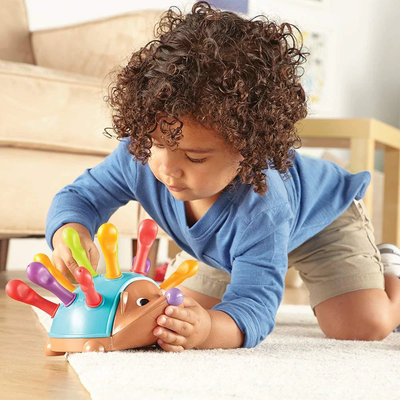
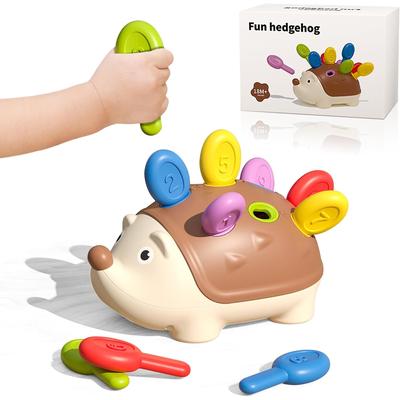
Playful Picks Montessori Hedgehog Color Sorting Educational Toddler Toy For Fine Motor Skills Development Montessori Hedgehog Color Sorting Educational Toddler Toy For Fine Motor Skills DevelopmentTurn early learning into a joyful daily adventure with a toy designed to spark curiosity and growth. The Montessori hedgehog toy is thoughtfully created for toddlers aged 13, helping them explore colors, counting, and coordination through handson...24,97 $*Shipping: 0,00 $Secure redirect to the provider
-
Tiny Tots Teens Trends Montessori Educational Toy, Hedgehog Fine Motor Skills, Toddler Counting, Sensory Development Montessori Educational Toy, Hedgehog Fine Motor Skills, Toddler Counting, Sensory DevelopmentHedgehog Montessori Educational Toy is a delightful and engaging learning tool designed to help toddlers develop essential fine motor skills, improve their concentration, and enhance sensory development. This toy promotes handson learning through...59,97 $*Shipping: 0,00 $Secure redirect to the provider
-
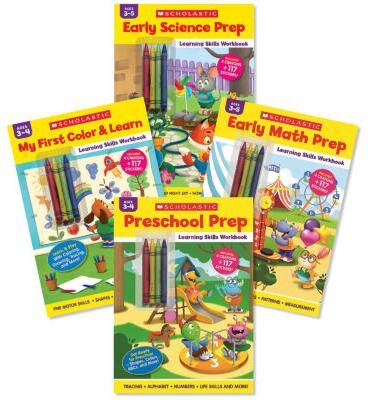
Learning Skills Workbook Ages 3-5 Value PackSupport your child's preschool readiness with these fun workbooks. Each workbook comes with four crayons and stickers.This set includes:Early Math Prep Learning Skills WorkbookEarly Science Prep: Learning Skills WorkbookMy First Color & Learn:...32,99 $*Shipping: 0,00 $Secure redirect to the provider

-
How can I create 2-5-1 progressions?
To create a 2-5-1 progression, you can start by choosing a key. For example, let's say you choose the key of C major. The 2 chord in C major is Dm7, the 5 chord is G7, and the 1 chord is Cmaj7. So, a 2-5-1 progression in C major would be Dm7 - G7 - Cmaj7. You can experiment with different voicings, rhythms, and variations to make the progression more interesting and unique. **
-
What are good chord progressions for medieval music?
Good chord progressions for medieval music often include simple, consonant intervals such as fifths and octaves. Common progressions include the use of the I-IV-V-I progression, as well as the use of modal scales such as the Dorian and Mixolydian modes. Additionally, the use of open, hollow harmonies and drone notes can also be characteristic of medieval music chord progressions. **
-
What are blues chord progressions and blue notes?
Blues chord progressions are the series of chords used in blues music, typically following a 12-bar structure. These progressions often include the I, IV, and V chords, creating a characteristic sound that is central to the blues genre. Blue notes, on the other hand, are specific pitches that are often added to the standard major or minor scale, creating a unique and expressive sound. These notes are often played with a slightly lowered pitch, adding a sense of tension and emotion to the music. Both blues chord progressions and blue notes are essential elements in creating the distinct sound of blues music. **
-
How do you analyze chord progressions in a song?
When analyzing chord progressions in a song, I first identify the key of the song to understand the scale and potential chords that may be used. Then, I listen to the progression to identify the specific chords being used and their relationship to each other. I pay attention to the chord quality (major, minor, dominant, etc.) and the order in which they appear, as well as any patterns or variations in the progression. Finally, I consider the emotional impact and the overall effect of the progression on the song's mood and structure. **

How can one play sad chord progressions on the piano?
To play sad chord progressions on the piano, one can start by using minor chords, as they generally evoke a sadder feeling compared to major chords. Experiment with chord progressions that include minor chords such as A minor, D minor, and E minor. Additionally, incorporating dissonant intervals or adding tension by using diminished or suspended chords can enhance the melancholic mood of the music. Finally, playing the chords at a slower tempo and using dynamics to create a softer, more emotive sound can further emphasize the sadness in the music. **
Can you get a job without education or go directly into training with skills or knowledge?
Yes, it is possible to get a job without formal education by directly entering the workforce with skills or knowledge gained through training, work experience, or self-study. Many industries value practical skills and experience over formal education, especially in fields like technology, trades, and creative arts. However, having a formal education can still be beneficial for career advancement and certain professions that require specific qualifications. Ultimately, the path to employment can vary depending on the industry and individual circumstances. **
Top-Angebote
Products related to Progressions:
-
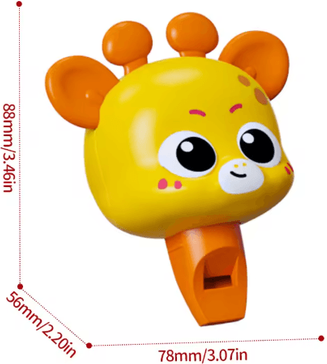
Inspire Picks Interactive Giraffe Suction Cup Toy Multifunctional Sensory Learning And Motor Skills Development Toy whistleEncourage handson learning and playful discovery with this interactive giraffe toy designed for growing minds. Featuring a strong suction cup base, it easily attaches to smooth surfaces for stable, engaging play at home or on the go. Made from safe,...34,93 $*Shipping: 0,00 $Secure redirect to the provider
-
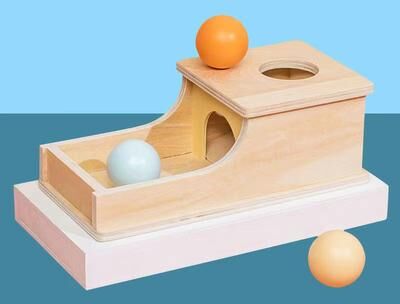
Tiny Tots Teens Trends Drawer Game Early Education Montessori Wooden Pitch Ball Box Preschool Learning Training Toy Drawer Game Early Education Montessori Wooden Pitch Ball Box Preschool Learning Training ToyThis Montessori Wooden Pitch Ball Box Drawer Game is a thoughtfully designed earlyeducation toy that transforms playtime into purposeful learning. Crafted for toddlers and preschoolers, it offers a handson, engaging way to support key developmental...39,97 $*Shipping: 0,00 $Secure redirect to the provider
-
Perfect Picks Market Geometric Building Blocks Set For Kids Early Education Intelligence Development Toy Geometric Building Blocks Set For Kids Early Education Intelligence Development ToyUnlock your child's potential with this early education equipment designed to stimulate creativity and intelligence! This geometric set is the perfect building block toy for boys, helping to develop problemsolving skills while having fun. The...35,97 $*Shipping: 0,00 $Secure redirect to the provider
-
Playful Picks Montessori Hedgehog Color Sorting Educational Toddler Toy For Fine Motor Skills Development Montessori Hedgehog Color Sorting Educational Toddler Toy For Fine Motor Skills DevelopmentTurn early learning into a joyful daily adventure with a toy designed to spark curiosity and growth. The Montessori hedgehog toy is thoughtfully created for toddlers aged 13, helping them explore colors, counting, and coordination through handson...24,97 $*Shipping: 0,00 $Secure redirect to the provider
-
What are typical romantic chord progressions?
Typical romantic chord progressions often include the use of major and minor chords, such as I-IV-V or vi-IV-V. These progressions create a sense of resolution and emotional depth that is commonly associated with romantic music. Additionally, the use of extended chords, such as seventh chords or ninth chords, can add richness and complexity to the progression, enhancing the romantic feel. Overall, romantic chord progressions tend to evoke feelings of love, longing, and tenderness. **
-
What are normal progressions in skating?
Normal progressions in skating typically involve learning and mastering fundamental skills before moving on to more advanced techniques. This can include mastering basic movements such as forward and backward skating, stopping, and turning before progressing to more complex maneuvers like crossovers, jumps, and spins. Skaters often start with basic skills and gradually build upon them, developing their balance, agility, and coordination as they advance. Progressions in skating also involve increasing speed, refining technique, and learning more challenging routines or tricks. **
-
How can I create 2-5-1 progressions?
To create a 2-5-1 progression, you can start by choosing a key. For example, let's say you choose the key of C major. The 2 chord in C major is Dm7, the 5 chord is G7, and the 1 chord is Cmaj7. So, a 2-5-1 progression in C major would be Dm7 - G7 - Cmaj7. You can experiment with different voicings, rhythms, and variations to make the progression more interesting and unique. **
-
What are good chord progressions for medieval music?
Good chord progressions for medieval music often include simple, consonant intervals such as fifths and octaves. Common progressions include the use of the I-IV-V-I progression, as well as the use of modal scales such as the Dorian and Mixolydian modes. Additionally, the use of open, hollow harmonies and drone notes can also be characteristic of medieval music chord progressions. **
Similar search terms for Progressions
-
Tiny Tots Teens Trends Montessori Educational Toy, Hedgehog Fine Motor Skills, Toddler Counting, Sensory Development Montessori Educational Toy, Hedgehog Fine Motor Skills, Toddler Counting, Sensory DevelopmentHedgehog Montessori Educational Toy is a delightful and engaging learning tool designed to help toddlers develop essential fine motor skills, improve their concentration, and enhance sensory development. This toy promotes handson learning through...59,97 $*Shipping: 0,00 $Secure redirect to the provider
-
Learning Skills Workbook Ages 3-5 Value PackSupport your child's preschool readiness with these fun workbooks. Each workbook comes with four crayons and stickers.This set includes:Early Math Prep Learning Skills WorkbookEarly Science Prep: Learning Skills WorkbookMy First Color & Learn:...32,99 $*Shipping: 0,00 $Secure redirect to the provider
-
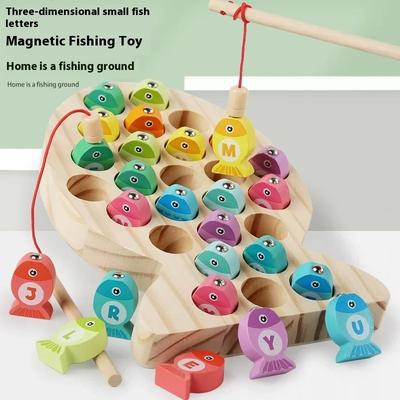
Inspire Select Wooden Montessori Fishing Toy Set Kids Number & Alphabet Learning Game For Early Education Training lettersMake learning fun and interactive with a playful educational experience. This Montessori fishing toy helps children develop essential skills while enjoying handson play. Designed for toddlers and young kids, this wooden learning toy combines...96,97 $*Shipping: 0,00 $Secure redirect to the provider
-
Inspire Picks Interactive Giraffe Suction Cup Toy Multifunctional Sensory Learning And Motor Skills Development Toy multi FuntionalEncourage handson learning and playful discovery with this interactive giraffe toy designed for growing minds. Featuring a strong suction cup base, it easily attaches to smooth surfaces for stable, engaging play at home or on the go. Made from safe,...34,93 $*Shipping: 0,00 $Secure redirect to the provider
-
What are blues chord progressions and blue notes?
Blues chord progressions are the series of chords used in blues music, typically following a 12-bar structure. These progressions often include the I, IV, and V chords, creating a characteristic sound that is central to the blues genre. Blue notes, on the other hand, are specific pitches that are often added to the standard major or minor scale, creating a unique and expressive sound. These notes are often played with a slightly lowered pitch, adding a sense of tension and emotion to the music. Both blues chord progressions and blue notes are essential elements in creating the distinct sound of blues music. **
-
How do you analyze chord progressions in a song?
When analyzing chord progressions in a song, I first identify the key of the song to understand the scale and potential chords that may be used. Then, I listen to the progression to identify the specific chords being used and their relationship to each other. I pay attention to the chord quality (major, minor, dominant, etc.) and the order in which they appear, as well as any patterns or variations in the progression. Finally, I consider the emotional impact and the overall effect of the progression on the song's mood and structure. **
-
How can one play sad chord progressions on the piano?
To play sad chord progressions on the piano, one can start by using minor chords, as they generally evoke a sadder feeling compared to major chords. Experiment with chord progressions that include minor chords such as A minor, D minor, and E minor. Additionally, incorporating dissonant intervals or adding tension by using diminished or suspended chords can enhance the melancholic mood of the music. Finally, playing the chords at a slower tempo and using dynamics to create a softer, more emotive sound can further emphasize the sadness in the music. **
-
Can you get a job without education or go directly into training with skills or knowledge?
Yes, it is possible to get a job without formal education by directly entering the workforce with skills or knowledge gained through training, work experience, or self-study. Many industries value practical skills and experience over formal education, especially in fields like technology, trades, and creative arts. However, having a formal education can still be beneficial for career advancement and certain professions that require specific qualifications. Ultimately, the path to employment can vary depending on the industry and individual circumstances. **
* All prices are inclusive of VAT and, if applicable, plus shipping costs. The offer information is based on the details provided by the respective shop and is updated through automated processes. Real-time updates do not occur, so deviations can occur in individual cases. ** Note: Parts of this content were created by AI.