Buy eduarte.eu ?
We are moving the project
eduarte.eu .
Are you interested in purchasing the domain
eduarte.eu ?
domain@kv-gmbh.de · 0541-91531010
Buy eduarte.eu ?
What is the simple explanation for anatomical morphological homology and anatomical morphological analogy?
Anatomical morphological homology refers to similarities in the structure of different organisms that are inherited from a common ancestor. These similarities are due to shared evolutionary history and can help scientists understand the relationships between different species. On the other hand, anatomical morphological analogy refers to similarities in structure between different organisms that are not due to shared ancestry but rather to similar environmental pressures leading to convergent evolution. This means that organisms develop similar traits independently in response to similar environmental challenges. **
What are functional and morphological adaptations?
Functional adaptations are changes in an organism's behavior or physiology that help it survive and reproduce in its environment. These adaptations can include things like camouflage, mimicry, or the ability to withstand extreme temperatures. Morphological adaptations, on the other hand, are physical changes in an organism's body structure that help it better perform certain functions. These adaptations can include things like the shape of a bird's beak for feeding, the size of a mammal's ears for hearing, or the coloration of an insect's wings for protection. **
Similar search terms for Morphological
Top-Angebote
Products related to Morphological:
-
Perfect Picks Market Geometric Building Blocks Set For Kids Early Education Intelligence Development Toy Geometric Building Blocks Set For Kids Early Education Intelligence Development ToyUnlock your child's potential with this early education equipment designed to stimulate creativity and intelligence! This geometric set is the perfect building block toy for boys, helping to develop problemsolving skills while having fun. The...35,97 $*Shipping: 0,00 $Secure redirect to the provider
-
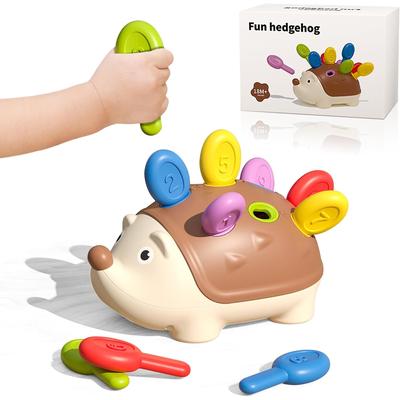
Playful Picks Montessori Hedgehog Color Sorting Educational Toddler Toy For Fine Motor Skills Development Montessori Hedgehog Color Sorting Educational Toddler Toy For Fine Motor Skills DevelopmentTurn early learning into a joyful daily adventure with a toy designed to spark curiosity and growth. The Montessori hedgehog toy is thoughtfully created for toddlers aged 13, helping them explore colors, counting, and coordination through handson...24,97 $*Shipping: 0,00 $Secure redirect to the provider
-
Tiny Tots Teens Trends Montessori Educational Toy, Hedgehog Fine Motor Skills, Toddler Counting, Sensory Development Montessori Educational Toy, Hedgehog Fine Motor Skills, Toddler Counting, Sensory DevelopmentHedgehog Montessori Educational Toy is a delightful and engaging learning tool designed to help toddlers develop essential fine motor skills, improve their concentration, and enhance sensory development. This toy promotes handson learning through...59,97 $*Shipping: 0,00 $Secure redirect to the provider
-
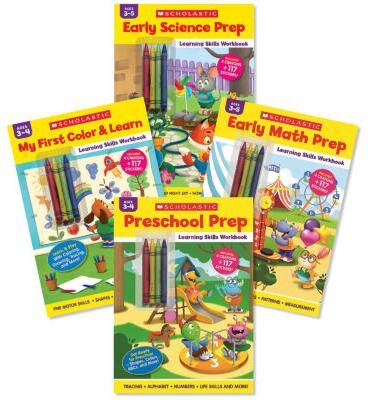
Learning Skills Workbook Ages 3-5 Value PackSupport your child's preschool readiness with these fun workbooks. Each workbook comes with four crayons and stickers.This set includes:Early Math Prep Learning Skills WorkbookEarly Science Prep: Learning Skills WorkbookMy First Color & Learn:...32,99 $*Shipping: 0,00 $Secure redirect to the provider


-
What is the morphological species concept?
The morphological species concept defines a species based on its physical characteristics, such as size, shape, color, and other observable traits. According to this concept, individuals that share similar morphological features are considered to belong to the same species. This concept is often used in the field of taxonomy and is particularly useful when genetic data is not available or when studying fossils. However, it has limitations, as individuals within a species can exhibit variation in their physical traits, and convergent evolution can lead to similar morphologies in unrelated species. **
-
What are morphological, physiological, and anatomical adaptations?
Morphological adaptations refer to physical features or structures that have evolved to help an organism survive in its environment, such as the shape of a bird's beak for feeding. Physiological adaptations are changes in an organism's internal functions, such as the ability of certain animals to regulate body temperature in extreme environments. Anatomical adaptations involve changes in the internal structure of an organism, such as the presence of specialized organs or tissues for specific functions, like the gills of fish for breathing underwater. These adaptations all help organisms to better survive and thrive in their specific habitats. **
-
What does morphological mean, dear bio experts?
Morphological refers to the study of the form and structure of organisms, including their physical characteristics and how they are related to their function. In biology, morphological analysis involves examining the shape, size, and other external features of organisms to understand their evolutionary relationships, adaptations, and ecological roles. This can include studying the external appearance of an organism as well as its internal structures, such as organs and tissues. Overall, morphological analysis is an important tool for understanding the diversity and complexity of life on Earth. **
-
How to create a cladogram using morphological characteristics?
To create a cladogram using morphological characteristics, you first need to gather a group of organisms and identify their morphological traits, such as body shape, presence of certain structures, or other physical characteristics. Then, you need to compare these traits and determine which organisms share similar characteristics. Next, you can use a branching diagram to represent the evolutionary relationships between the organisms, with the most closely related organisms grouped together. Finally, you can use this diagram to construct a cladogram, which is a visual representation of the evolutionary history and relationships between the organisms based on their morphological characteristics. **

What problems could arise in biology if only morphological aspects are used for systematic classification?
If only morphological aspects are used for systematic classification in biology, several problems could arise. Firstly, morphological characteristics can be influenced by environmental factors, making it difficult to accurately classify organisms based solely on their physical appearance. Additionally, convergent evolution can result in different species developing similar morphological traits, leading to misclassification. Furthermore, the use of only morphological aspects may overlook genetic and evolutionary relationships between organisms, leading to an incomplete understanding of their evolutionary history and relationships. Therefore, a comprehensive approach that includes molecular, genetic, and ecological data alongside morphological aspects is essential for accurate systematic classification in biology. **
Can you get a job without education or go directly into training with skills or knowledge?
Yes, it is possible to get a job without formal education by directly entering the workforce with skills or knowledge gained through training, work experience, or self-study. Many industries value practical skills and experience over formal education, especially in fields like technology, trades, and creative arts. However, having a formal education can still be beneficial for career advancement and certain professions that require specific qualifications. Ultimately, the path to employment can vary depending on the industry and individual circumstances. **
Top-Angebote
Products related to Morphological:
-
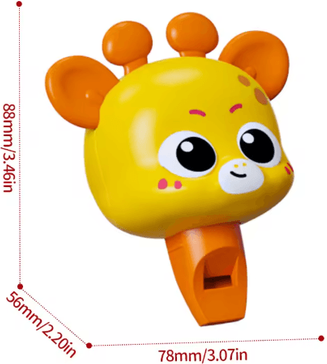
Inspire Picks Interactive Giraffe Suction Cup Toy Multifunctional Sensory Learning And Motor Skills Development Toy whistleEncourage handson learning and playful discovery with this interactive giraffe toy designed for growing minds. Featuring a strong suction cup base, it easily attaches to smooth surfaces for stable, engaging play at home or on the go. Made from safe,...34,93 $*Shipping: 0,00 $Secure redirect to the provider
-
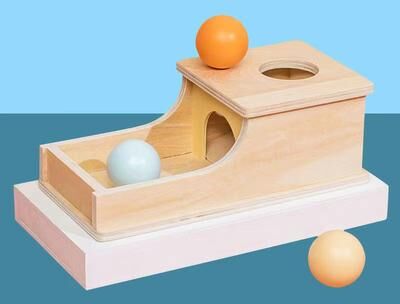
Tiny Tots Teens Trends Drawer Game Early Education Montessori Wooden Pitch Ball Box Preschool Learning Training Toy Drawer Game Early Education Montessori Wooden Pitch Ball Box Preschool Learning Training ToyThis Montessori Wooden Pitch Ball Box Drawer Game is a thoughtfully designed earlyeducation toy that transforms playtime into purposeful learning. Crafted for toddlers and preschoolers, it offers a handson, engaging way to support key developmental...39,97 $*Shipping: 0,00 $Secure redirect to the provider
-
Perfect Picks Market Geometric Building Blocks Set For Kids Early Education Intelligence Development Toy Geometric Building Blocks Set For Kids Early Education Intelligence Development ToyUnlock your child's potential with this early education equipment designed to stimulate creativity and intelligence! This geometric set is the perfect building block toy for boys, helping to develop problemsolving skills while having fun. The...35,97 $*Shipping: 0,00 $Secure redirect to the provider
-
Playful Picks Montessori Hedgehog Color Sorting Educational Toddler Toy For Fine Motor Skills Development Montessori Hedgehog Color Sorting Educational Toddler Toy For Fine Motor Skills DevelopmentTurn early learning into a joyful daily adventure with a toy designed to spark curiosity and growth. The Montessori hedgehog toy is thoughtfully created for toddlers aged 13, helping them explore colors, counting, and coordination through handson...24,97 $*Shipping: 0,00 $Secure redirect to the provider
-
What is the simple explanation for anatomical morphological homology and anatomical morphological analogy?
Anatomical morphological homology refers to similarities in the structure of different organisms that are inherited from a common ancestor. These similarities are due to shared evolutionary history and can help scientists understand the relationships between different species. On the other hand, anatomical morphological analogy refers to similarities in structure between different organisms that are not due to shared ancestry but rather to similar environmental pressures leading to convergent evolution. This means that organisms develop similar traits independently in response to similar environmental challenges. **
-
What are functional and morphological adaptations?
Functional adaptations are changes in an organism's behavior or physiology that help it survive and reproduce in its environment. These adaptations can include things like camouflage, mimicry, or the ability to withstand extreme temperatures. Morphological adaptations, on the other hand, are physical changes in an organism's body structure that help it better perform certain functions. These adaptations can include things like the shape of a bird's beak for feeding, the size of a mammal's ears for hearing, or the coloration of an insect's wings for protection. **
-
What is the morphological species concept?
The morphological species concept defines a species based on its physical characteristics, such as size, shape, color, and other observable traits. According to this concept, individuals that share similar morphological features are considered to belong to the same species. This concept is often used in the field of taxonomy and is particularly useful when genetic data is not available or when studying fossils. However, it has limitations, as individuals within a species can exhibit variation in their physical traits, and convergent evolution can lead to similar morphologies in unrelated species. **
-
What are morphological, physiological, and anatomical adaptations?
Morphological adaptations refer to physical features or structures that have evolved to help an organism survive in its environment, such as the shape of a bird's beak for feeding. Physiological adaptations are changes in an organism's internal functions, such as the ability of certain animals to regulate body temperature in extreme environments. Anatomical adaptations involve changes in the internal structure of an organism, such as the presence of specialized organs or tissues for specific functions, like the gills of fish for breathing underwater. These adaptations all help organisms to better survive and thrive in their specific habitats. **
Similar search terms for Morphological
-
Tiny Tots Teens Trends Montessori Educational Toy, Hedgehog Fine Motor Skills, Toddler Counting, Sensory Development Montessori Educational Toy, Hedgehog Fine Motor Skills, Toddler Counting, Sensory DevelopmentHedgehog Montessori Educational Toy is a delightful and engaging learning tool designed to help toddlers develop essential fine motor skills, improve their concentration, and enhance sensory development. This toy promotes handson learning through...59,97 $*Shipping: 0,00 $Secure redirect to the provider
-
Learning Skills Workbook Ages 3-5 Value PackSupport your child's preschool readiness with these fun workbooks. Each workbook comes with four crayons and stickers.This set includes:Early Math Prep Learning Skills WorkbookEarly Science Prep: Learning Skills WorkbookMy First Color & Learn:...32,99 $*Shipping: 0,00 $Secure redirect to the provider
-
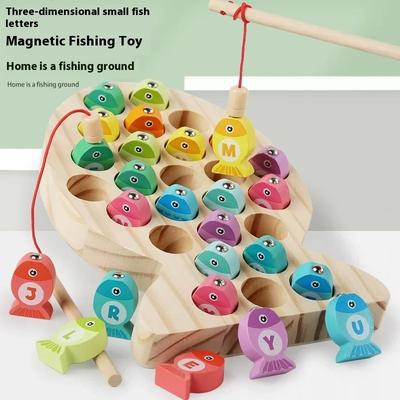
Inspire Select Wooden Montessori Fishing Toy Set Kids Number & Alphabet Learning Game For Early Education Training lettersMake learning fun and interactive with a playful educational experience. This Montessori fishing toy helps children develop essential skills while enjoying handson play. Designed for toddlers and young kids, this wooden learning toy combines...96,97 $*Shipping: 0,00 $Secure redirect to the provider
-
Inspire Picks Interactive Giraffe Suction Cup Toy Multifunctional Sensory Learning And Motor Skills Development Toy multi FuntionalEncourage handson learning and playful discovery with this interactive giraffe toy designed for growing minds. Featuring a strong suction cup base, it easily attaches to smooth surfaces for stable, engaging play at home or on the go. Made from safe,...34,93 $*Shipping: 0,00 $Secure redirect to the provider
-
What does morphological mean, dear bio experts?
Morphological refers to the study of the form and structure of organisms, including their physical characteristics and how they are related to their function. In biology, morphological analysis involves examining the shape, size, and other external features of organisms to understand their evolutionary relationships, adaptations, and ecological roles. This can include studying the external appearance of an organism as well as its internal structures, such as organs and tissues. Overall, morphological analysis is an important tool for understanding the diversity and complexity of life on Earth. **
-
How to create a cladogram using morphological characteristics?
To create a cladogram using morphological characteristics, you first need to gather a group of organisms and identify their morphological traits, such as body shape, presence of certain structures, or other physical characteristics. Then, you need to compare these traits and determine which organisms share similar characteristics. Next, you can use a branching diagram to represent the evolutionary relationships between the organisms, with the most closely related organisms grouped together. Finally, you can use this diagram to construct a cladogram, which is a visual representation of the evolutionary history and relationships between the organisms based on their morphological characteristics. **
-
What problems could arise in biology if only morphological aspects are used for systematic classification?
If only morphological aspects are used for systematic classification in biology, several problems could arise. Firstly, morphological characteristics can be influenced by environmental factors, making it difficult to accurately classify organisms based solely on their physical appearance. Additionally, convergent evolution can result in different species developing similar morphological traits, leading to misclassification. Furthermore, the use of only morphological aspects may overlook genetic and evolutionary relationships between organisms, leading to an incomplete understanding of their evolutionary history and relationships. Therefore, a comprehensive approach that includes molecular, genetic, and ecological data alongside morphological aspects is essential for accurate systematic classification in biology. **
-
Can you get a job without education or go directly into training with skills or knowledge?
Yes, it is possible to get a job without formal education by directly entering the workforce with skills or knowledge gained through training, work experience, or self-study. Many industries value practical skills and experience over formal education, especially in fields like technology, trades, and creative arts. However, having a formal education can still be beneficial for career advancement and certain professions that require specific qualifications. Ultimately, the path to employment can vary depending on the industry and individual circumstances. **
* All prices are inclusive of VAT and, if applicable, plus shipping costs. The offer information is based on the details provided by the respective shop and is updated through automated processes. Real-time updates do not occur, so deviations can occur in individual cases. ** Note: Parts of this content were created by AI.