Buy eduarte.eu ?
We are moving the project
eduarte.eu .
Are you interested in purchasing the domain
eduarte.eu ?
domain@kv-gmbh.de · 0541-91531010
Buy eduarte.eu ?
What do the Aborigines call themselves, certainly not Aborigines, right?
The Aboriginal people of Australia refer to themselves by their specific tribal or language group names, such as Koori, Murri, Nyoongar, or Yolngu, depending on their cultural heritage and geographic location. The term "Aboriginal" is a general descriptor used by non-Indigenous people, and it is important to recognize and respect the diversity of Indigenous identities and cultures within Australia. **
Do the Aborigines eat budgerigars?
No, the Aborigines do not typically eat budgerigars. Budgerigars are small parakeets native to Australia and are not a traditional part of the Aboriginal diet. The Aborigines traditionally hunted and ate a variety of animals such as kangaroos, emus, and fish, as well as foraged for fruits, nuts, and roots. Budgerigars are more commonly kept as pets or admired for their colorful plumage and ability to mimic sounds. **

Similar search terms for Aborigines
Top-Angebote
Products related to Aborigines:
-
Perfect Picks Market Geometric Building Blocks Set For Kids Early Education Intelligence Development Toy Geometric Building Blocks Set For Kids Early Education Intelligence Development ToyUnlock your child's potential with this early education equipment designed to stimulate creativity and intelligence! This geometric set is the perfect building block toy for boys, helping to develop problemsolving skills while having fun. The...35,97 $*Shipping: 0,00 $Secure redirect to the provider
-
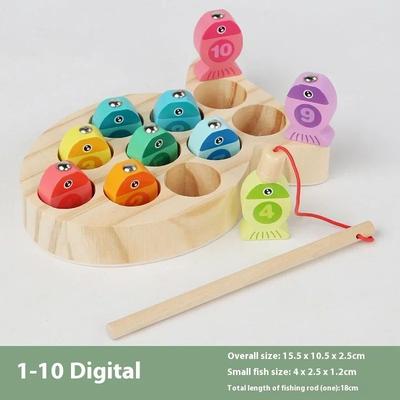
Inspire Select Wooden Montessori Fishing Toy Set Kids Number & Alphabet Learning Game For Early Education Training numbersMake learning fun and interactive with a playful educational experience. This Montessori fishing toy helps children develop essential skills while enjoying handson play. Designed for toddlers and young kids, this wooden learning toy combines...64,96 $*Shipping: 0,00 $Secure redirect to the provider
-
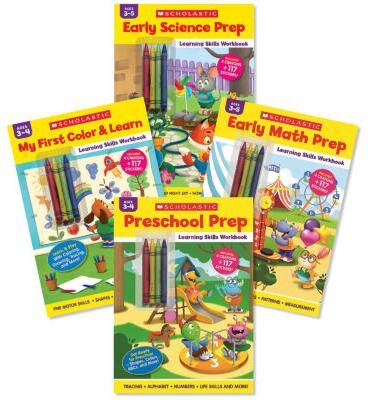
Learning Skills Workbook Ages 3-5 Value PackSupport your child's preschool readiness with these fun workbooks. Each workbook comes with four crayons and stickers.This set includes:Early Math Prep Learning Skills WorkbookEarly Science Prep: Learning Skills WorkbookMy First Color & Learn:...32,99 $*Shipping: 0,00 $Secure redirect to the provider
-
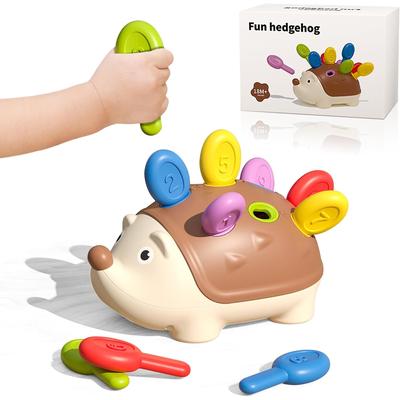
Tiny Tots Teens Trends Montessori Educational Toy, Hedgehog Fine Motor Skills, Toddler Counting, Sensory Development Montessori Educational Toy, Hedgehog Fine Motor Skills, Toddler Counting, Sensory DevelopmentHedgehog Montessori Educational Toy is a delightful and engaging learning tool designed to help toddlers develop essential fine motor skills, improve their concentration, and enhance sensory development. This toy promotes handson learning through...59,97 $*Shipping: 0,00 $Secure redirect to the provider

-
What problems do the Aborigines have?
Aborigines face a range of issues, including social and economic disadvantage, poor health outcomes, high rates of incarceration, and discrimination. They also struggle with the loss of cultural identity, land rights, and self-determination. Additionally, historical injustices such as forced removal of children and dispossession of land continue to have lasting impacts on their communities. Addressing these complex and interconnected challenges requires a holistic approach that recognizes and respects their unique cultural heritage and rights. **
-
What problems do the Aborigines face?
Aborigines face a range of challenges including social and economic disadvantage, health disparities, discrimination, and cultural preservation. They often experience higher rates of unemployment, lower levels of education, and poorer health outcomes compared to non-Indigenous Australians. Additionally, the loss of traditional lands and languages, as well as ongoing racism and prejudice, contribute to the marginalization of Aboriginal communities. Efforts to address these issues require a comprehensive approach that recognizes and respects the rights and unique cultural heritage of the Aboriginal people. **
-
What are the Aborigines in Africa?
The term "Aborigines" is not typically used to refer to a specific group in Africa. The term is more commonly associated with the indigenous peoples of Australia. In Africa, there are many different indigenous groups with their own distinct cultures, languages, and traditions. These groups have inhabited the continent for thousands of years and have faced various challenges related to land rights, discrimination, and marginalization. It is important to recognize and respect the diversity and unique identities of Africa's indigenous peoples. **
-
Are there any Aborigines who are known in Australia or possibly even worldwide? Are there famous Aborigines?
Yes, there are several Aborigines who are known in Australia and even worldwide. One of the most famous is Cathy Freeman, an Olympic gold medalist in track and field. Another well-known Aboriginal figure is David Unaipon, an inventor, writer, and preacher who is featured on the Australian $50 note. Additionally, musicians like Archie Roach and Gurrumul have gained international recognition for their music. These individuals have contributed significantly to their respective fields and have helped raise awareness of Aboriginal culture and achievements. **


How was the language of the Aborigines?
The language of the Aborigines was diverse and complex, with over 250 different languages spoken across Australia. These languages were often characterized by intricate grammatical structures, rich vocabularies, and unique sounds. Additionally, many Aboriginal languages were deeply connected to the land and culture of the people, incorporating words and concepts that reflected their environment and way of life. Despite the impact of colonization and the loss of many languages, efforts are being made to preserve and revitalize Aboriginal languages today. **
What was the language of the Aborigines like?
The language of the Aborigines was incredibly diverse, with over 250 different languages spoken across Australia. These languages were often complex and rich, with unique grammar structures and sounds. Many Aboriginal languages were also closely tied to the land, incorporating words and concepts related to the environment and traditional practices. Despite the diversity, there were also some common features among many Aboriginal languages, such as the use of complex kinship systems and intricate storytelling techniques. **
Top-Angebote
Products related to Aborigines:
-
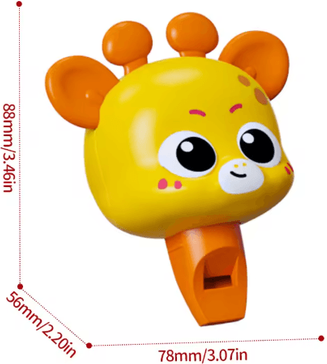
Inspire Picks Interactive Giraffe Suction Cup Toy Multifunctional Sensory Learning And Motor Skills Development Toy whistleEncourage handson learning and playful discovery with this interactive giraffe toy designed for growing minds. Featuring a strong suction cup base, it easily attaches to smooth surfaces for stable, engaging play at home or on the go. Made from safe,...34,93 $*Shipping: 0,00 $Secure redirect to the provider
-
Tiny Tots Teens Trends Drawer Game Early Education Montessori Wooden Pitch Ball Box Preschool Learning Training Toy Drawer Game Early Education Montessori Wooden Pitch Ball Box Preschool Learning Training ToyThis Montessori Wooden Pitch Ball Box Drawer Game is a thoughtfully designed earlyeducation toy that transforms playtime into purposeful learning. Crafted for toddlers and preschoolers, it offers a handson, engaging way to support key developmental...39,97 $*Shipping: 0,00 $Secure redirect to the provider
-
Perfect Picks Market Geometric Building Blocks Set For Kids Early Education Intelligence Development Toy Geometric Building Blocks Set For Kids Early Education Intelligence Development ToyUnlock your child's potential with this early education equipment designed to stimulate creativity and intelligence! This geometric set is the perfect building block toy for boys, helping to develop problemsolving skills while having fun. The...35,97 $*Shipping: 0,00 $Secure redirect to the provider
-
Inspire Select Wooden Montessori Fishing Toy Set Kids Number & Alphabet Learning Game For Early Education Training numbersMake learning fun and interactive with a playful educational experience. This Montessori fishing toy helps children develop essential skills while enjoying handson play. Designed for toddlers and young kids, this wooden learning toy combines...64,96 $*Shipping: 0,00 $Secure redirect to the provider
-
What do the Aborigines call themselves, certainly not Aborigines, right?
The Aboriginal people of Australia refer to themselves by their specific tribal or language group names, such as Koori, Murri, Nyoongar, or Yolngu, depending on their cultural heritage and geographic location. The term "Aboriginal" is a general descriptor used by non-Indigenous people, and it is important to recognize and respect the diversity of Indigenous identities and cultures within Australia. **
-
Do the Aborigines eat budgerigars?
No, the Aborigines do not typically eat budgerigars. Budgerigars are small parakeets native to Australia and are not a traditional part of the Aboriginal diet. The Aborigines traditionally hunted and ate a variety of animals such as kangaroos, emus, and fish, as well as foraged for fruits, nuts, and roots. Budgerigars are more commonly kept as pets or admired for their colorful plumage and ability to mimic sounds. **
-
What problems do the Aborigines have?
Aborigines face a range of issues, including social and economic disadvantage, poor health outcomes, high rates of incarceration, and discrimination. They also struggle with the loss of cultural identity, land rights, and self-determination. Additionally, historical injustices such as forced removal of children and dispossession of land continue to have lasting impacts on their communities. Addressing these complex and interconnected challenges requires a holistic approach that recognizes and respects their unique cultural heritage and rights. **
-
What problems do the Aborigines face?
Aborigines face a range of challenges including social and economic disadvantage, health disparities, discrimination, and cultural preservation. They often experience higher rates of unemployment, lower levels of education, and poorer health outcomes compared to non-Indigenous Australians. Additionally, the loss of traditional lands and languages, as well as ongoing racism and prejudice, contribute to the marginalization of Aboriginal communities. Efforts to address these issues require a comprehensive approach that recognizes and respects the rights and unique cultural heritage of the Aboriginal people. **
Similar search terms for Aborigines
-
Learning Skills Workbook Ages 3-5 Value PackSupport your child's preschool readiness with these fun workbooks. Each workbook comes with four crayons and stickers.This set includes:Early Math Prep Learning Skills WorkbookEarly Science Prep: Learning Skills WorkbookMy First Color & Learn:...32,99 $*Shipping: 0,00 $Secure redirect to the provider
-
Tiny Tots Teens Trends Montessori Educational Toy, Hedgehog Fine Motor Skills, Toddler Counting, Sensory Development Montessori Educational Toy, Hedgehog Fine Motor Skills, Toddler Counting, Sensory DevelopmentHedgehog Montessori Educational Toy is a delightful and engaging learning tool designed to help toddlers develop essential fine motor skills, improve their concentration, and enhance sensory development. This toy promotes handson learning through...59,97 $*Shipping: 0,00 $Secure redirect to the provider
-
Playful Picks Montessori Hedgehog Color Sorting Educational Toddler Toy For Fine Motor Skills Development Montessori Hedgehog Color Sorting Educational Toddler Toy For Fine Motor Skills DevelopmentTurn early learning into a joyful daily adventure with a toy designed to spark curiosity and growth. The Montessori hedgehog toy is thoughtfully created for toddlers aged 13, helping them explore colors, counting, and coordination through handson...24,97 $*Shipping: 0,00 $Secure redirect to the provider
-
Inspire Picks Interactive Giraffe Suction Cup Toy Multifunctional Sensory Learning And Motor Skills Development Toy multi FuntionalEncourage handson learning and playful discovery with this interactive giraffe toy designed for growing minds. Featuring a strong suction cup base, it easily attaches to smooth surfaces for stable, engaging play at home or on the go. Made from safe,...34,93 $*Shipping: 0,00 $Secure redirect to the provider
-
What are the Aborigines in Africa?
The term "Aborigines" is not typically used to refer to a specific group in Africa. The term is more commonly associated with the indigenous peoples of Australia. In Africa, there are many different indigenous groups with their own distinct cultures, languages, and traditions. These groups have inhabited the continent for thousands of years and have faced various challenges related to land rights, discrimination, and marginalization. It is important to recognize and respect the diversity and unique identities of Africa's indigenous peoples. **
-
Are there any Aborigines who are known in Australia or possibly even worldwide? Are there famous Aborigines?
Yes, there are several Aborigines who are known in Australia and even worldwide. One of the most famous is Cathy Freeman, an Olympic gold medalist in track and field. Another well-known Aboriginal figure is David Unaipon, an inventor, writer, and preacher who is featured on the Australian $50 note. Additionally, musicians like Archie Roach and Gurrumul have gained international recognition for their music. These individuals have contributed significantly to their respective fields and have helped raise awareness of Aboriginal culture and achievements. **
-
How was the language of the Aborigines?
The language of the Aborigines was diverse and complex, with over 250 different languages spoken across Australia. These languages were often characterized by intricate grammatical structures, rich vocabularies, and unique sounds. Additionally, many Aboriginal languages were deeply connected to the land and culture of the people, incorporating words and concepts that reflected their environment and way of life. Despite the impact of colonization and the loss of many languages, efforts are being made to preserve and revitalize Aboriginal languages today. **
-
What was the language of the Aborigines like?
The language of the Aborigines was incredibly diverse, with over 250 different languages spoken across Australia. These languages were often complex and rich, with unique grammar structures and sounds. Many Aboriginal languages were also closely tied to the land, incorporating words and concepts related to the environment and traditional practices. Despite the diversity, there were also some common features among many Aboriginal languages, such as the use of complex kinship systems and intricate storytelling techniques. **
* All prices are inclusive of VAT and, if applicable, plus shipping costs. The offer information is based on the details provided by the respective shop and is updated through automated processes. Real-time updates do not occur, so deviations can occur in individual cases. ** Note: Parts of this content were created by AI.